 24/7 Emergency Available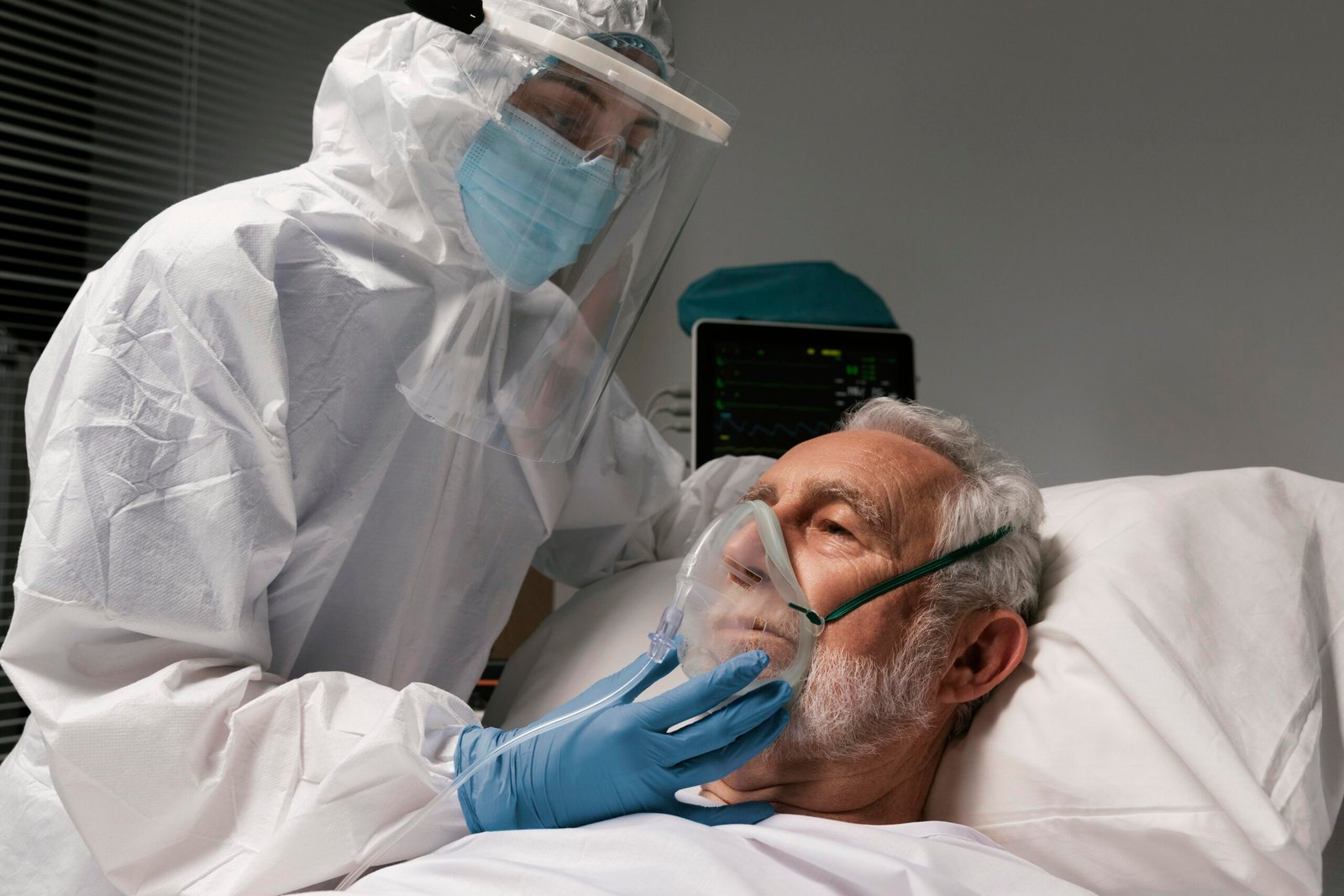
Introduction
Pulmonary Critical Care is a type of care that deals with people who have serious lung problems. It matters because these problems can be life threatening. Pulmonary Critical Care is important for people who’re very sick and need special help to breathe.
Pulmonary Critical Care is a kind of care that is just for people with lung problems. It is different from types of medical care. Pulmonary Critical Care matters because it saves lives.
Understanding Pulmonary Critical Care
Pulmonary critical care is for patients who have problems with their breathing and need to be watched very closely. These patients need equipment to help them breathe and stay alive. This is different from pulmonology, which is for people who have long term lung problems and can visit the doctor in an office.
When Is Pulmonary Critical Care Needed?
Acute Respiratory Failure
When the lungs do not work properly and cannot give the body oxygen or get rid of carbon dioxide the person needs to go to the Intensive Care Unit right away. The lungs have a problem when someone has something, like Acute Respiratory Distress Syndrome or really bad pneumonia and this can cause the lungs to fail.
Severe Exacerbations of Lung Diseases
If you have COPD or asthma or pulmonary edema and it gets bad all of a sudden it can be very dangerous. You might need help to breathe and you need it right away. This is because COPD and asthma and pulmonary edema can cause problems with your breathing.
Complex Multi-System Illnesses
A lot of people who’re very sick have bad lungs and their heart, kidneys or other organs do not work well. Pulmonary critical care helps these people breathe. It also helps their organs work better. Pulmonary critical care is very important for people with lung failure because it makes sure they can breathe. It supports their overall health by helping their organs work properly.
How Pulmonary Critical Care Saves Lives
In a pulmonary ICU, continuous monitoring of respiratory parameters allows clinicians to detect deterioration early and intervene swiftly. Advanced treatments like oxygen therapy, mechanical ventilation, airway management, and bronchoscopy help stabilize patients. Rapid response in respiratory emergencies prevents complications such as organ failure and reduces mortality.
Technology and Treatments Used
Oxygen Therapy & Mechanical Ventilation
Patients who have lungs that do not work properly need help to breathe. High-flow oxygen and non-invasive ventilation and mechanical ventilators give them this help. These machines support the patients when their lungs cannot function by themselves. The patients need these machines to breathe properly. High-flow oxygen and mechanical ventilators are very important for these patients.
Bronchoscopy & Diagnostic Procedures
Bronchoscopy is a help to doctors. It lets them take a look at the airways. They can use it to clear out any blockages and figure out if someone has an infection or a problem with their lungs. The doctors can get a good idea of what is going on with the lungs and airways when they use Bronchoscopy. This is especially important for diagnosing lung conditions with Bronchoscopy.
Multidisciplinary Care
Pulmonary critical care needs a team of doctors who specialize in lungs also known as pulmonologists and other doctors who take care of sick people, known as intensivists. These doctors work with nurses who take care of people, in the care unit, which we call ICU nurses. They also work with people who help patients breathe, known as therapists and other people who help out which we call support staff. All of these people work together all the time, day and night to take care of patients who need critical care.
The Human Impact Why It Matters
Pulmonary critical care prevents respiratory failure from progressing to permanent organ damage or death. It shortens ICU stays, reduces complications, and improves quality of life after recovery. For families, it provides reassurance that their loved ones are receiving specialized, life-saving care.
Pulmonary Critical Care at MICU Mahbubnagar
At MICU Mahbubnagar, advanced pulmo critical care services in Mahabubnagar are available 24/7 to manage severe respiratory emergencies. The hospital’s intensive care unit is equipped with modern ventilators, monitoring systems, and emergency support to treat critically ill patients promptly and effectively.
Conclusion
Pulmonary critical care is essential for patients facing serious breathing emergencies. From respiratory failure to severe lung infections, this specialized care saves lives through rapid response, advanced technology, and expert medical teams. Access to a trusted pulmonary critical care center in Mahabubnagar like MICU ensures patients receive the right care at the right time—when every breath truly matters.
FAQs
1. What is pulmonary critical care?
Pulmonary critical care is a specialized medical service that treats patients with severe lung and breathing problems such as respiratory failure, severe pneumonia, and COPD exacerbations in an intensive care setting.
2. When should a patient be admitted to pulmonary critical care?
A patient should be admitted when they experience severe breathing difficulty, low oxygen levels, respiratory failure, or worsening lung conditions that require continuous monitoring and ventilator support.
3. How is pulmonary critical care different from regular pulmonary treatment?
Regular pulmonary care manages chronic lung conditions, while pulmonary critical care focuses on life-threatening respiratory emergencies that require ICU-level care and advanced life support.
4. What conditions are treated under pulmonary critical care services?
Pulmonary critical care treats conditions such as acute respiratory distress syndrome (ARDS), severe pneumonia, COPD and asthma exacerbations, lung infections, and respiratory failure.
5. Are pulmonary critical care services available 24/7 at MICU Mahabubnagar?
Yes, MICU Mahbubnagar provides round-the-clock pulmonary critical care and emergency services with advanced ICU facilities and trained specialists for respiratory emergencies.