
 24/7 Emergency Available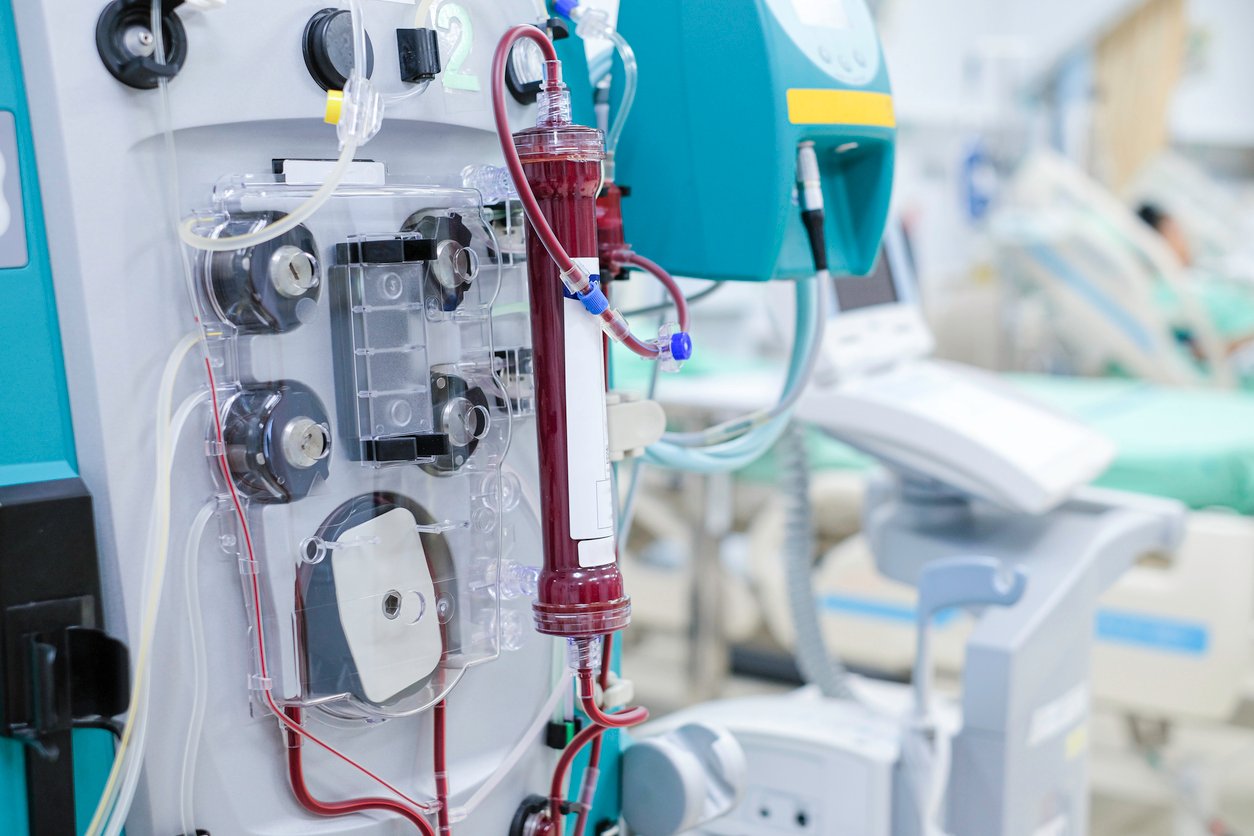
When the kidneys suddenly stop working properly, it can quickly become a life-threatening emergency. In critically ill patients, kidney failure often occurs alongside serious conditions such as infections, trauma, heart complications, or multi-organ failure. In such situations, Dialysis Critical Care services play a vital role in stabilizing patients and saving lives.
If you are searching for reliable Dialysis Critical Care services in Mahabubnagar, understanding how this specialized treatment works can help you make informed decisions during emergencies.
This comprehensive guide explains everything you need to know about Dialysis Critical Care services, when they are needed, how they work in ICU settings, and why choosing a specialized Dialysis Critical Care Center in Mahabubnagar matters.
Understanding Kidney Function and Why It Fails
The kidneys perform several essential functions:
- Remove waste and toxins from the blood
- Maintain fluid balance
- Regulate electrolytes such as sodium and potassium
- Control blood pressure
- Support red blood cell production
When the kidneys fail suddenly — a condition known as Acute Kidney Injury (AKI) — toxins and fluids build up rapidly in the body. In critically ill patients, this can worsen other complications and increase mortality risk.
That is where Dialysis Critical Care services become crucial.
What Is Dialysis Critical Care?
Dialysis Critical Care services refer to advanced dialysis treatment provided to critically ill patients in an Intensive Care Unit (ICU). Unlike routine dialysis performed for chronic kidney disease patients, critical care dialysis is designed for unstable patients who require continuous monitoring and life-support systems.
When Are Dialysis Critical Care Services Needed?
Dialysis in critical care is not routine — it is used when patients face life-threatening complications. Some common scenarios include:
1. Acute Kidney Injury (AKI)
Sudden kidney failure caused by:
- Severe infections
- Major surgery
- Trauma
- Dehydration
- Shock
2. Sepsis and Severe Infections
Sepsis can damage kidney function rapidly, requiring emergency dialysis support.
3. Multi-Organ Failure
In ICU patients, when organs such as lungs or heart fail, kidney function may also deteriorate.
4. Fluid Overload
Excess fluid accumulation can cause breathing difficulty and heart strain. Dialysis removes extra fluid safely.
5. Dangerous Electrolyte Imbalance
High potassium levels (hyperkalemia) can cause cardiac arrest. Dialysis corrects these imbalances quickly.
For such emergencies, timely access to Dialysis Critical Care services in Mahabubnagar can significantly improve survival outcomes.
Types of Dialysis Used in Critical Care
Not all dialysis treatments are the same. ICU specialists choose the method depending on the patient’s stability and condition.
1. Intermittent Hemodialysis (IHD)
- Performed over 3–4 hours
- Suitable for relatively stable ICU patients
- Removes toxins quickly
2. Continuous Renal Replacement Therapy (CRRT)
- Runs 24 hours continuously
- Ideal for unstable patients
- Gentle and gradual fluid removal
- Maintains stable blood pressure
CRRT is commonly used in advanced Dialysis Critical Care services centers in Mahabubnagar for high-risk patients.
3. Sustained Low-Efficiency Dialysis (SLED)
- Hybrid method
- Runs for 6–12 hours
- Balanced approach between IHD and CRRT
How Dialysis Critical Care Works in the ICU
At a specialized Dialysis Critical Care Center in Mahabubnagar, treatment follows a structured approach:
Step 1: Patient Assessment
- Blood tests
- Electrolyte evaluation
- Kidney function analysis
- Blood pressure monitoring
Step 2: Dialysis Access Placement
A temporary catheter is placed in a large vein to allow blood circulation through the dialysis machine.
Step 3: Continuous Monitoring
During the procedure:
- Heart rate
- Oxygen levels
- Blood pressure
- Fluid removal rate
are closely monitored.
Step 4: Multidisciplinary Care
Treatment involves:
- Nephrologists
- Intensivists
- Critical care nurses
- Emergency support staff
This team-based approach ensures safe and effective Dialysis Critical Care services.
Benefits of Choosing a Specialized Dialysis Critical Care Services Center in Mahabubnagar
Selecting the right center can make a significant difference in recovery outcomes.
1. 24/7 Emergency Availability
Kidney emergencies can happen anytime. A dedicated ICU ensures immediate intervention.
2. Advanced Dialysis Technology
Modern machines provide precise fluid control and real-time monitoring.
3. Experienced Specialists
Skilled nephrologists and critical care doctors improve patient survival rates.
4. Reduced Complications
Continuous supervision reduces risks such as infection or blood pressure instability.
5. Integrated ICU Support
Patients receive ventilator support, cardiac monitoring, and organ support under one roof.
Access to high-quality Dialysis Critical Care services in Mahabubnagar ensures timely and life-saving treatment.
What to Expect During Dialysis Critical Care Treatment
Families often feel anxious when a loved one requires ICU dialysis. Here’s what typically happens:
- Initial stabilization
- Catheter insertion (temporary and minimally invasive)
- Dialysis session (duration depends on type)
- Ongoing blood testing
- Adjustment of treatment plan
Most patients remain in the ICU until kidney function improves or stabilizes.
Risks and Safety Measures
Like any medical procedure, dialysis in critical care has risks. However, specialized centers follow strict protocols to minimize them.
Possible Risks:
- Low blood pressure
- Infection
- Clotting issues
- Electrolyte imbalance
Safety Measures Include:
- Sterile procedures
- Continuous monitoring
- Skilled nursing supervision
- Immediate emergency response
A well-equipped Dialysis Critical Care services center in Mahabubnagar ensures these risks are carefully managed.
Why Early Intervention Matters
Delaying dialysis in critically ill patients can lead to:
- Permanent kidney damage
- Heart complications
- Longer ICU stays
- Increased mortality risk
Early diagnosis and immediate access to Dialysis Critical Care services significantly improve survival and recovery chances.
Conclusion
Kidney failure in critically ill patients is a medical emergency that demands immediate and specialized attention. Dialysis Critical Care services provide life-saving support by removing toxins, correcting electrolyte imbalances, and stabilizing fluid levels in unstable patients.
If you are looking for advanced and reliable Dialysis Critical Care services in Mahabubnagar, choosing a fully equipped Dialysis Critical Care Center in Mahabubnagar ensures expert care, continuous monitoring, and improved survival outcomes.
Early intervention can save lives. In case of kidney-related emergencies, seek immediate medical attention from a trusted Dialysis Critical Care services center in Mahabubnagar.
FAQs
1. What is the difference between regular dialysis and Dialysis Critical Care services?
Regular dialysis is scheduled for chronic kidney disease patients, while critical care dialysis is provided in ICUs for emergency kidney failure cases.
2. Is Dialysis Critical Care Painful?
Patients are usually sedated or stabilized. The procedure itself is not painful.
3. How long does critical care dialysis last?
It depends on the method used. CRRT may run continuously for 24 hours, while intermittent dialysis lasts 3–4 hours.
4. Can kidneys recover after ICU dialysis?
Yes. Many patients with acute kidney injury recover kidney function with timely treatment.
5. Where can I find reliable Dialysis Critical Care services in Mahabubnagar?
Choose a hospital with ICU infrastructure, experienced nephrologists, and 24/7 emergency support.