 24/7 Emergency Available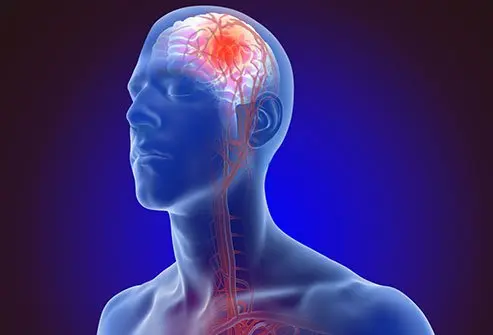
A stroke can happen suddenly and without warning. One moment, a person may be speaking or moving normally, and within minutes, they may experience weakness, difficulty speaking, loss of balance, or changes in vision.
Recognizing these symptoms early is important because a stroke is a medical emergency that requires immediate professional attention. Unfortunately, many people ignore the early warning signs or assume that the symptoms will disappear on their own.
At MICU Hospital Mahabubnagar, patients experiencing serious neurological emergencies can receive medical assessment and critical care based on their condition. Knowing the warning signs of stroke can help individuals and families recognize when immediate medical attention may be needed.
What Is a Stroke?
A stroke occurs when blood flow to a part of the brain is interrupted or when bleeding occurs in or around the brain. When brain cells do not receive the oxygen and nutrients they need, brain function can be affected.
Depending on the area of the brain involved, a stroke may affect:
- Movement
- Speech
- Memory
- Vision
- Balance
- Coordination
- Consciousness
Stroke symptoms can vary from person to person. Some people may experience obvious weakness or speech difficulties, while others may notice sudden confusion, dizziness, or changes in vision.
Because stroke symptoms can appear suddenly, knowing what to look for is an important part of stroke awareness.
Why Recognizing Stroke Symptoms Early Matters
A stroke is a serious neurological emergency. Delaying medical evaluation when stroke symptoms appear can increase the risk of complications.
The symptoms of a stroke may begin suddenly and can worsen quickly. This is why it is important not to wait and see whether the symptoms disappear.
Early recognition helps ensure that the person reaches a medical facility where healthcare professionals can evaluate their condition.
Family members and people nearby may be the first to notice changes in a person’s:
- Face
- Speech
- Movement
- Balance
- Behaviour
- Level of consciousness
Understanding the common warning signs can help people respond more quickly during a possible stroke emergency.
Remember FAST: A Simple Way to Identify a Stroke
One of the easiest ways to remember common stroke warning signs is the FAST method.
F – Face Drooping
Ask the person to smile.
Look for:
- One side of the face appearing weak
- Uneven facial movement
- A drooping mouth
- Difficulty smiling normally
Facial weakness that appears suddenly should be taken seriously.
A – Arm Weakness
Ask the person to raise both arms.
Look for:
- Weakness in one arm
- Numbness
- Difficulty lifting an arm
- One arm drifting downward
Sudden weakness affecting one side of the body can be a warning sign of stroke.
S – Speech Difficulty
Listen carefully to how the person speaks.
Look for:
- Slurred speech
- Difficulty finding words
- Confusing words
- Difficulty understanding simple sentences
- Inability to speak clearly
Sudden changes in speech should not be ignored.
T – Time to Seek Emergency Medical Care
If you notice facial drooping, arm weakness, or speech difficulties, seek emergency medical attention immediately.
It is also helpful, if possible, to remember when the person was last seen without symptoms. This information may be useful to the treating healthcare team.
While FAST is a helpful method, it is important to understand that not every stroke presents with these exact symptoms.
There are other warning signs that should also be taken seriously.
Top Warning Signs of Stroke You Should Never Ignore
1. Sudden Weakness or Numbness
One of the most common warning signs of stroke is sudden weakness or numbness.
This may affect:
- The face
- One arm
- One leg
- One side of the body
A person may suddenly find it difficult to hold objects, raise an arm, walk properly, or move one side of their body.
Weakness that develops suddenly should always be medically evaluated.
2. Facial Drooping
Sudden facial weakness can be another warning sign.
The person may:
- Have difficulty smiling normally
- Notice that one side of the mouth is drooping
- Experience numbness on one side of the face
- Have difficulty controlling facial movements
Family members may notice that the person’s face appears uneven when they smile or speak.
Sudden facial drooping should never be ignored, especially when it occurs along with weakness or speech problems.
3. Difficulty Speaking or Understanding Speech
A stroke can affect areas of the brain responsible for communication.
A person may experience:
- Slurred speech
- Difficulty speaking
- Difficulty finding the right words
- Speaking in a confusing way
- Difficulty understanding what others are saying
Sometimes the person may know what they want to say but be unable to communicate clearly.
Sudden communication difficulties require immediate medical attention.
4. Sudden Vision Problems
Stroke can sometimes affect vision.
Possible symptoms include:
- Blurred vision
- Double vision
- Sudden difficulty seeing
- Loss of vision in one or both eyes
- Changes in the visual field
A sudden change in vision should not be ignored, particularly if it occurs with other neurological symptoms.
5. Sudden Difficulty Walking or Loss of Balance
Some people experiencing a stroke may suddenly have difficulty walking.
They may experience:
- Dizziness
- Loss of balance
- Difficulty coordinating movements
- Trouble standing
- Sudden unsteadiness
These symptoms may sometimes be mistaken for tiredness or dizziness caused by other conditions.
However, sudden and unexplained loss of balance or coordination requires medical evaluation.
6. Sudden Severe Headache
A sudden and unusually severe headache can sometimes be associated with serious neurological conditions.
Seek immediate medical attention if a severe headache occurs suddenly, especially when it is accompanied by:
- Vomiting
- Confusion
- Loss of consciousness
- Vision problems
- Weakness
- Speech difficulties
Not every headache is related to a stroke, but a sudden severe headache should not be ignored.
7. Sudden Confusion
A person experiencing a neurological emergency may suddenly become confused.
They may:
- Have difficulty understanding conversations
- Appear disoriented
- Have trouble recognising familiar surroundings
- Be unable to follow simple instructions
- Suddenly behave differently
Sudden confusion can have several medical causes, including serious neurological conditions.
Professional medical evaluation is important.
Can Stroke Symptoms Come and Go?
Sometimes neurological symptoms may improve temporarily.
For example, a person may experience weakness or speech difficulties that disappear after a short period.
However, temporary symptoms should not automatically be ignored.
Even if symptoms improve, sudden neurological changes should be medically evaluated. A healthcare professional can determine the possible cause of the symptoms and decide whether further investigation is required.
Waiting until symptoms return or become more severe can delay appropriate medical care.
If a person experiences sudden weakness, speech problems, vision changes, or other neurological symptoms, seek medical attention even if the symptoms appear to improve.
Stroke and Neuro Critical Care at MICU
Some stroke patients may require more intensive observation and critical care depending on the severity of their condition.
Neuro Critical Care focuses on patients with serious neurological conditions who require close medical monitoring.
Depending on the patient’s needs, care may involve:
- Neurological assessment
- Monitoring of consciousness
- Vital-sign monitoring
- Diagnostic investigations
- Ongoing clinical evaluation
- Critical care support
At MICU, the healthcare team evaluates the patient’s condition and determines the appropriate level of care based on individual clinical requirements.
Who May Be at Higher Risk of Stroke?
Certain factors can increase a person’s risk of stroke.
Some common risk factors include:
- High blood pressure
- Diabetes
- High cholesterol
- Smoking
- Heart-related conditions
- Previous stroke
- Family history
- Increasing age
Having one or more risk factors does not mean a person will definitely experience a stroke.
Similarly, people without obvious risk factors can also experience neurological emergencies.
Maintaining regular medical check-ups and managing known health conditions can be important for overall health.
When Should You Seek Immediate Medical Attention?
Seek emergency medical care if someone experiences:
- Sudden facial drooping
- Sudden weakness or numbness
- Difficulty speaking
- Difficulty understanding speech
- Sudden confusion
- Sudden vision problems
- Loss of balance
- Difficulty walking
- Sudden severe headache
- Loss of consciousness
- Seizures
If you are unsure whether a symptom is serious, it is safer to seek professional medical advice rather than ignoring the situation.
Why Stroke Awareness Matters for Families
During a medical emergency, the people around the patient often play an important role in recognising warning signs.
A family member may be the first person to notice:
- A change in speech
- Facial drooping
- Weakness
- Confusion
- Difficulty walking
Knowing the FAST method and other warning signs can help families recognise that the person may need immediate medical attention.
Stroke awareness is not only important for older adults. Families should understand that sudden neurological symptoms can occur in different age groups.
Sharing knowledge about stroke symptoms can help communities become more prepared to respond to medical emergencies.
Why MICU Focuses on Timely Neurological Care
Serious neurological conditions require careful medical assessment.
At MICU Hospital Mahabubnagar, patients experiencing neurological emergencies can receive appropriate evaluation and critical care based on their medical condition.
The approach includes:
- Emergency evaluation
- Neurological assessment
- Diagnostic support
- Monitoring of critically ill patients
- Neuro Critical Care
- Coordinated medical care
The goal is to understand the patient’s condition, identify immediate medical concerns, and provide appropriate care based on individual clinical needs.
By combining emergency assessment with critical care support, MICU aims to support patients experiencing serious and potentially life-threatening medical conditions.
Conclusion
Stroke symptoms can appear suddenly, and recognising them early is extremely important.
The FAST method provides a simple way to remember some of the most common warning signs:
- Facial drooping
- Arm weakness
- Speech difficulty
- Time to seek emergency care
Other symptoms such as sudden vision changes, severe dizziness, difficulty walking, confusion, severe headache, and loss of consciousness should also be taken seriously.
Do not wait for serious neurological symptoms to disappear on their own. Immediate professional medical evaluation is important whenever a stroke or another neurological emergency is suspected.
At MICU Hospital Mahabubnagar, patients experiencing serious neurological conditions can receive emergency assessment, diagnostic support, monitoring, and Neuro Critical Care according to their individual medical needs.
Awareness can make a difference in how quickly a person receives medical attention. Learning the warning signs of stroke and sharing this knowledge with family members can help people recognise a possible emergency and act without unnecessary delay.
FAQS
1. What are the first warning signs of a stroke?
Common warning signs include sudden facial drooping, weakness or numbness in an arm or leg, speech difficulties, confusion, vision problems, loss of balance, and sudden severe headache.
2. What does FAST mean in stroke awareness?
FAST stands for Face drooping, Arm weakness, Speech difficulty, and Time to seek emergency medical care. It is a simple method for recognising common stroke warning signs.
3. Can stroke symptoms disappear and come back?
Some neurological symptoms may temporarily improve. However, sudden symptoms such as weakness, speech difficulties, or vision changes should still be medically evaluated, even if they disappear.
4. Can a severe headache be a warning sign of stroke?
A sudden severe headache can sometimes occur with serious neurological conditions. Immediate medical evaluation is important, especially if the headache occurs with weakness, confusion, vision problems, or loss of consciousness.
5. What should I do if someone shows signs of a stroke?
Seek emergency medical care immediately. Note when the symptoms began, stay with the person, and avoid giving medications or home remedies unless advised by a healthcare professional.