 24/7 Emergency Available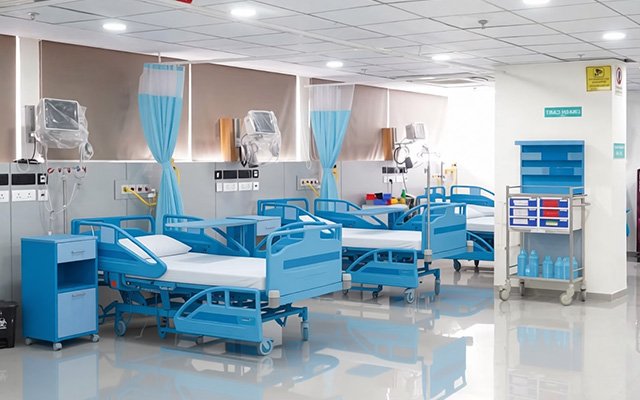
Introduction
Cardiac emergencies can develop suddenly and may require immediate medical assessment and close monitoring. Conditions such as heart attacks, serious heart rhythm problems, acute heart failure and cardiogenic shock can become life-threatening and may require intensive care.
A Super Speciality ICU provides an environment where critically ill patients can receive continuous monitoring, specialised treatment and supportive care. At MICU Hospital in Mahabubnagar, Cardio Critical Care is part of its specialised intensive care services, supporting patients who require close observation and critical care during serious cardiac conditions.
Understanding when cardiac problems may require intensive care can help patients and families recognise the importance of seeking timely medical attention.
What Is a Super Speciality ICU?
A Super Speciality ICU is an intensive care environment designed for patients with serious or complex medical conditions that require close monitoring and specialised treatment.
Unlike a general hospital ward, an ICU allows healthcare professionals to continuously observe important physiological parameters and respond when a patient’s condition changes.
For cardiac patients, this may include monitoring:
- Heart rate and rhythm
- Blood pressure
- Oxygen saturation
- Breathing pattern
- Level of consciousness
- Other vital signs based on the patient’s condition
Clinical guidance recommends monitoring important physiological observations such as heart rate, respiratory rate, blood pressure, oxygen saturation and consciousness in acutely ill hospital patients.
The level of monitoring and treatment depends on the severity of the patient’s condition.
What Are Cardiac Emergencies?
Cardiac emergencies are serious conditions involving the heart that may require urgent medical evaluation and treatment.
Some examples include:
Heart Attack
A heart attack occurs when blood flow to part of the heart muscle becomes blocked or significantly reduced. Common symptoms can include chest discomfort, shortness of breath, discomfort in the arms, back, neck or jaw, nausea, sweating and lightheadedness.
A suspected heart attack requires urgent medical assessment.
Severe Arrhythmias
Arrhythmias are abnormal heart rhythms. Some may cause few or no symptoms, while certain serious rhythm disturbances can affect the heart’s ability to pump blood effectively.
Patients with unstable or potentially dangerous rhythm problems may require continuous cardiac monitoring and specialist management.
Acute Heart Failure
Acute heart failure occurs when the heart suddenly becomes unable to meet the body’s needs effectively. It may cause symptoms such as severe breathlessness, weakness and fluid-related complications.
Patients admitted with suspected acute heart failure may require early and continuing specialist input and appropriate investigations and monitoring.
Cardiogenic Shock
Cardiogenic shock is a severe condition in which the heart is unable to pump enough blood to meet the body’s needs. It can occur as a complication of serious heart problems and requires urgent medical management and close monitoring.
When Does a Cardiac Emergency Require Super Speciality ICU Care?
Not every person with a heart-related problem needs ICU admission. The decision depends on the patient’s symptoms, diagnosis, vital signs, complications and response to initial treatment.
Super Speciality ICU care may be considered when a patient has:
- Unstable blood pressure
- Severe or persistent cardiac symptoms
- Dangerous or unstable heart rhythms
- Acute heart failure
- Cardiogenic shock
- Severe breathing difficulty associated with a cardiac condition
- Significant reduction in oxygen levels
- Complications affecting other organs
- A need for continuous cardiac monitoring
- A need for advanced supportive treatment
For suspected acute coronary syndrome, hospital assessment may include an ECG, blood testing such as troponin, physical examination and monitoring of heart rhythm, blood pressure and oxygen saturation.
How MICU’s Super Speciality ICU Supports Cardiac Emergencies
MICU Hospital provides specialised Cardio Critical Care within its critical care services in Mahabubnagar.
For patients with serious cardiac conditions, the Super Speciality ICU environment can support:
- Continuous monitoring
- Cardiac observation
- Critical care specialist support
- Emergency assessment
- Laboratory investigations
- Diagnostic evaluation
- Respiratory support when clinically required
- Management of complications
- Coordination with relevant medical specialists
The exact treatment plan depends on the patient’s diagnosis and clinical condition.
Cardiac Monitoring in MICU’s Super Speciality ICU
Continuous monitoring is an important part of caring for critically ill cardiac patients.
A patient’s heart rate, rhythm, blood pressure and oxygen levels may need to be monitored regularly or continuously depending on the severity of the condition.
Monitoring can help the medical team identify changes that may require further assessment or treatment.
For patients with suspected acute coronary syndrome, clinical guidance recommends monitoring symptoms, pulse, blood pressure, heart rhythm and oxygen saturation while the diagnosis is being established.
At MICU, the critical care team can use ongoing monitoring along with clinical assessment and diagnostic investigations to guide patient management.
Advanced Critical Care Support for Cardiac Patients
Patients with severe cardiac conditions may require different types of supportive treatment depending on their condition.
Oxygen and Respiratory Support
Some cardiac emergencies can cause breathing difficulties or reduced oxygen levels. Oxygen or other respiratory support may be provided when clinically appropriate.
Medication and Supportive Treatment
Depending on the diagnosis, doctors may use medicines and other supportive measures to manage blood pressure, heart rhythm, fluid balance or other complications.
Continuous Monitoring
Patients who are unstable may require close monitoring of vital signs and cardiac status.
Diagnostic Testing
ECG, blood tests and other investigations can help doctors understand the cause and severity of a cardiac emergency.
Support for Other Organ Problems
Serious cardiac conditions can sometimes affect organs such as the kidneys or lungs. Additional specialist support may therefore be required depending on the patient’s condition.
The treatment provided in the ICU is individualised according to the patient’s medical needs.
Why Multidisciplinary Care Matters During Cardiac Emergencies
A serious cardiac emergency may not affect the heart alone. For example, severe heart problems can be associated with breathing difficulties, reduced blood pressure or problems involving other organs.
This is why critically ill cardiac patients may require coordinated care involving different healthcare professionals.
At MICU, the critical care approach can involve coordination between:
- Critical care specialists
- Cardiac specialists
- Nursing professionals
- Respiratory care teams
- Renal specialists when kidney support is required
- Laboratory and diagnostic teams
A multidisciplinary approach allows the medical team to consider the patient’s overall condition while managing the immediate cardiac problem.
What Patients and Families Can Expect at MICU
Being admitted to a Super Speciality ICU can be stressful for patients and their families. Understanding the general process can make the situation easier to follow.
Depending on the patient’s condition, the process may include:
1. Emergency Assessment
The medical team first evaluates the patient’s symptoms, vital signs and medical history.
2. Initial Stabilisation
Immediate treatment may be provided for urgent problems such as breathing difficulty, abnormal blood pressure or unstable heart rhythm.
3. Diagnostic Evaluation
Tests such as ECG, blood tests and other investigations may be performed to identify the underlying problem.
4. Intensive Monitoring
If the patient requires close observation, they may be admitted to the ICU for continuous or frequent monitoring.
5. Specialist Evaluation
Relevant specialists may be involved depending on the patient’s condition.
6. Ongoing Treatment
Treatment may be adjusted according to the patient’s response and any changes in their condition.
The duration of ICU care varies from patient to patient. It depends on the underlying condition, severity and response to treatment.
Warning Signs That Need Immediate Medical Attention
Recognising serious cardiac symptoms is important because some emergencies can worsen quickly.
Seek urgent medical attention for symptoms such as:
- Chest pressure, squeezing or pain
- Chest discomfort that lasts several minutes or returns after improving
- Shortness of breath
- Pain or discomfort in one or both arms
- Pain or discomfort in the back, neck or jaw
- Cold sweating
- Nausea or vomiting
- Unusual weakness or tiredness
- Lightheadedness or fainting
- A rapid or irregular heartbeat accompanied by concerning symptoms
The American Heart Association advises seeking emergency help when heart attack warning signs occur rather than waiting to see whether symptoms disappear.
If someone has severe chest pain, difficulty breathing, becomes unresponsive or appears to be experiencing another life-threatening emergency, seek emergency medical assistance immediately.
Why Choose MICU for Cardiac Critical Care in Mahabubnagar?
Patients with serious cardiac conditions may require a hospital environment equipped for intensive monitoring and emergency support.
MICU Hospital provides:
- Super Speciality ICU care
- Cardio Critical Care services
- 24/7 emergency support
- Continuous patient monitoring
- Critical care specialist support
- Advanced ICU infrastructure
- Laboratory and diagnostic support
- Respiratory support when clinically required
- Renal and dialysis support when indicated
MICU’s critical care services are designed to support patients with complex and serious medical conditions based on their individual clinical requirements.
Conclusion
Cardiac emergencies can require rapid assessment, continuous monitoring and specialised medical care. When a patient’s condition is severe or unstable, a Super Speciality ICU can provide the environment needed for close observation and intensive treatment.
MICU Hospital in Mahabubnagar provides Cardio Critical Care within its specialised critical care services, supported by ICU monitoring, emergency care, diagnostic facilities and multidisciplinary medical support.
If someone develops symptoms that could indicate a heart attack or another serious cardiac emergency, seeking immediate medical attention is important. Early assessment allows healthcare professionals to determine the appropriate treatment and level of care for the patient’s condition.
FAQs
1. What is a Super Speciality ICU for cardiac emergencies?
A Super Speciality ICU provides intensive monitoring and specialised critical care for patients with serious medical conditions, including cardiac emergencies that require close observation or advanced support.
2. When does a heart patient need ICU care?
A heart patient may require ICU care when the condition is severe or unstable, such as with certain heart attacks, dangerous arrhythmias, acute heart failure, cardiogenic shock or a need for continuous monitoring.
3. Does MICU provide Cardio Critical Care?
Yes. MICU Hospital provides Cardio Critical Care as part of its specialised critical care services.
4. What cardiac emergencies may require intensive care?
Serious heart attacks, unstable arrhythmias, acute heart failure, cardiogenic shock and other unstable cardiac conditions may require intensive care depending on the patient’s clinical condition.
5. Does MICU provide continuous cardiac monitoring?
MICU’s critical care environment supports close monitoring of critically ill patients, including cardiac monitoring when clinically required.