 24/7 Emergency Available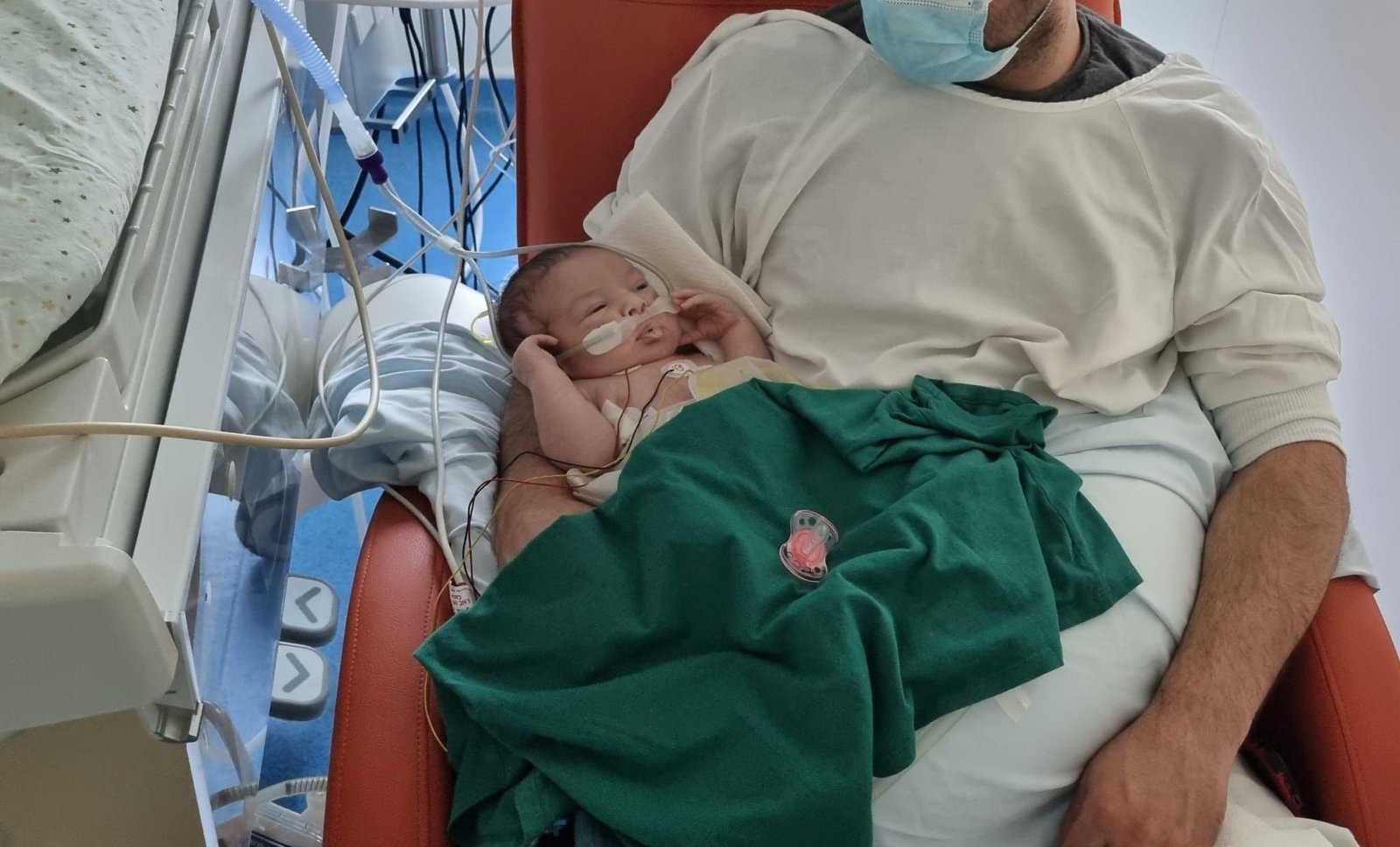
Introduction
Pregnancy is one of the most special journeys in a family’s life. While many pregnancies progress normally, some may develop complications that require specialized medical care. These situations are known as high-risk pregnancies, where the health of the mother, the baby, or both needs closer monitoring and advanced medical support.
At MICU Mother & Child Critical Care, our goal is to ensure the safety of both mother and baby during complex pregnancies and challenging deliveries. With advanced maternal intensive care, neonatal ICU support, and experienced specialists, MICU provides comprehensive care for high-risk pregnancies and newborns who require critical medical attention.
Understanding High-Risk Pregnancies
A high-risk pregnancy is one where the mother or the baby has an increased chance of developing health complications before, during, or after delivery.
High-risk pregnancies require careful monitoring, additional medical tests, and sometimes specialized ICU support to ensure the safety of both patients.
Common Factors That Make a Pregnancy High Risk
Several factors can increase pregnancy risks, including:
Maternal Age
Women younger than 18 or older than 35 may face a higher risk of complications.
Pre-Existing Medical Conditions
Health conditions such as diabetes, hypertension, heart disease, or kidney problems can affect pregnancy outcomes.
Previous Pregnancy Complications
Women who had complications in earlier pregnancies may require additional monitoring.
Multiple Pregnancies
Carrying twins or triplets increases the risk of premature birth and other complications.
Lifestyle Factors
Smoking, alcohol consumption, or poor nutrition can contribute to pregnancy risks.
When these factors are present, seeking specialized care at MICU Mother & Child Critical Care can help manage potential complications effectively.
Why Mother & Child Critical Care Is Important
High-risk pregnancies often require advanced medical support beyond routine prenatal care. Mother & Child Critical Care services are designed to manage complex medical situations while ensuring the safety of both mother and baby.
At MICU Mother & Child Critical Care, specialized teams provide continuous monitoring and rapid intervention if complications arise.
Key benefits of critical care for high-risk pregnancies include:
- Early detection of pregnancy complications
- Continuous monitoring of maternal and fetal health
- Emergency medical support during labor and delivery
- Specialized neonatal care for premature or critically ill newborns
Access to advanced medical care significantly improves survival rates and health outcomes for both mothers and babies.
Common Complications in High-Risk Pregnancies
High-risk pregnancies may involve several medical complications that require immediate medical attention.
Maternal Complications
Preeclampsia
A serious condition characterized by high blood pressure during pregnancy that can affect organs such as the liver and kidneys.
Gestational Diabetes
High blood sugar levels that develop during pregnancy and may affect both mother and baby.
Severe Bleeding (Postpartum Hemorrhage)
Excessive bleeding during or after childbirth that requires urgent medical treatment.
Infections During Pregnancy
Certain infections can lead to complications and require specialized care.
Fetal Complications
High-risk pregnancies can also affect the baby’s health.
Premature Birth
Babies born before 37 weeks of pregnancy may require intensive neonatal care.
Low Birth Weight
Some babies may not grow properly in the womb and need additional medical support after birth.
Growth Restriction
A condition where the baby grows slower than expected during pregnancy.
Congenital Conditions
Some babies may be born with health conditions that require specialized treatment.
These complications highlight the importance of receiving care at facilities like MICU Mother & Child Critical Care, where both maternal and neonatal intensive care are available.
How MICU Mother & Child Critical Care Supports High-Risk Pregnancies
At MICU, our comprehensive approach to maternal and neonatal critical care ensures that both mother and baby receive the highest level of medical attention.
Maternal Intensive Care Monitoring
High-risk mothers may require continuous monitoring in a specialized maternal ICU.
This includes:
- Monitoring blood pressure and heart rate
- Tracking oxygen levels
- Managing pregnancy-related complications
- Providing emergency support when needed
Specialist doctors and trained nurses ensure the mother remains stable throughout pregnancy and delivery.
Neonatal Intensive Care Unit (NICU)
Some newborns require advanced care immediately after birth. The NICU at MICU Mother & Child Critical Care provides specialized treatment for babies with medical complications.
NICU support includes:
- Incubators to regulate body temperature
- Ventilators to assist breathing
- Continuous monitoring of vital signs
- Specialized care for premature babies
These services help newborns stabilize and grow safely during their first days or weeks of life.
Emergency Obstetric Services
High-risk pregnancies may require immediate medical intervention during labor and delivery.
At MICU, emergency obstetric care ensures that doctors can quickly respond to complications such as:
- Fetal distress
- Severe bleeding
- High blood pressure emergencies
- Complicated deliveries
Having experienced specialists available 24/7 is essential for managing these situations effectively.
Advanced Technology Used in MICU Mother & Child Critical Care
Modern technology plays a crucial role in managing complex pregnancies and neonatal emergencies.
At MICU, advanced medical equipment helps doctors detect complications early and provide immediate treatment.
Key technologies include:
Fetal Monitoring Systems
These systems track the baby’s heart rate and detect signs of distress during pregnancy and labor.
Neonatal Incubators
Provide a controlled environment for premature babies to maintain body temperature and stability.
Advanced Ventilators
Support newborns who have breathing difficulties.
ICU Monitoring Equipment
Allows doctors to continuously track vital signs for mothers and babies in critical care units.
With these technologies, MICU Mother & Child Critical Care ensures safe and effective treatment for high-risk cases.
What Parents Should Expect During High-Risk Pregnancy Care at MICU
Parents often feel anxious when they learn their pregnancy is high risk. Understanding the care process can help reduce stress and prepare families for what lies ahead.
Step-by-Step Care Process
Initial Risk Assessment
Doctors evaluate the mother’s health and identify potential pregnancy risks.
Frequent Prenatal Checkups
Additional ultrasounds and tests help monitor the baby’s development.
Specialist Monitoring
Maternal health is closely observed to detect complications early.
Delivery Planning
Doctors develop a safe delivery plan based on the mother’s and baby’s condition.
NICU Care if Needed
If the baby is born prematurely or requires medical support, specialized neonatal care is provided.
This coordinated approach ensures that families receive the best possible care at MICU Mother & Child Critical Care.
Tips for Managing a High-Risk Pregnancy
Expecting mothers can take several steps to help manage a high-risk pregnancy safely.
Helpful tips include:
- Attend all scheduled prenatal appointments
- Follow medical advice carefully
- Maintain a balanced and nutritious diet
- Avoid smoking and alcohol consumption
- Monitor blood pressure and blood sugar levels
Early medical care and healthy lifestyle choices can greatly improve pregnancy outcomes.
Why Families Trust MICU for Mother & Child Critical Care
Families choose MICU Mother & Child Critical Care because of the comprehensive services and expert medical care available under one roof.
Key advantages include:
- Experienced obstetricians and neonatologists
- 24/7 maternal ICU support
- Advanced NICU facilities for newborns
- Emergency care for high-risk deliveries
- Patient-focused treatment and compassionate support
With a commitment to excellence, MICU ensures the best possible care for both mothers and newborns during critical moments.
Conclusion
High-risk pregnancies require specialized care, expert monitoring, and access to advanced medical facilities. With proper treatment and timely intervention, many complications can be managed successfully, ensuring the safety of both mother and baby.
MICU Mother & Child Critical Care provides comprehensive services for managing high-risk pregnancies, premature births, and neonatal emergencies. With experienced doctors, advanced ICU infrastructure, and compassionate care, MICU is dedicated to protecting the health of mothers and newborns during critical situations.
If you or your loved ones require specialized maternal or neonatal care, seeking timely medical support at MICU Mother & Child Critical Care can make all the difference in achieving a safe and healthy outcome.
Frequently Asked Questions
1. What is considered a high-risk pregnancy?
A pregnancy is considered high risk when the mother or baby has an increased chance of health complications.
2. Do all high-risk pregnancies require NICU care?
Not always. However, some babies may need neonatal intensive care if they are premature or have health complications.
3. Can high-risk pregnancies have normal deliveries?
Yes, many high-risk pregnancies can still result in normal deliveries with proper medical monitoring.
4. When should a pregnant woman see a specialist?
Women with medical conditions, pregnancy complications, or multiple pregnancies should consult specialists early.
5. Where can parents find reliable maternal and neonatal critical care?
Hospitals with specialized facilities like MICU Mother & Child Critical Care provide advanced treatment for complex pregnancies and newborn care.