 24/7 Emergency Available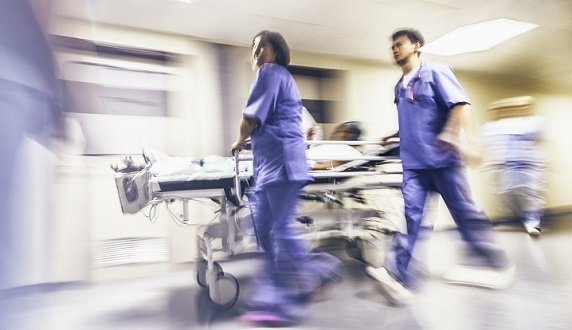
Introduction
Medical emergencies can occur without warning and often require immeservdiate attention to prevent serious complications or even loss of life. Whether it is a heart attack, stroke, severe accident, respiratory failure, or a critical infection, receiving timely medical treatment can significantly improve survival and recovery outcomes.
When faced with a medical emergency, choosing a hospital equipped with advanced emergency care facilities, experienced doctors, and critical care services becomes essential. In Mahabubnagar, MICU Hospital Mahabubnagar has established itself as a trusted healthcare provider offering 24/7 emergency care and advanced critical care services.
With modern ICU facilities, specialized emergency teams, and comprehensive multispeciality support, MICU Hospital is prepared to handle a wide range of life-threatening medical conditions. In this article, we explore the top medical emergencies treated at MICU Hospital Mahabubnagar and why immediate treatment can save lives.
Why Immediate Treatment During Medical Emergencies Is Important
Medical emergencies often progress rapidly. Delays in treatment can lead to irreversible organ damage, severe complications, and increased risk of mortality.
Healthcare professionals frequently refer to the first hour after a serious medical event as the “Golden Hour.” During this critical period, prompt medical intervention can significantly improve patient outcomes.
Benefits of early emergency treatment include:
- Faster stabilization of vital signs
- Reduced risk of complications
- Improved survival rates
- Better long-term recovery outcomes
This is why hospitals like MICU focus on providing immediate access to emergency and critical care services around the clock.
Heart Attack Emergencies
Heart attacks are among the most common and life-threatening medical emergencies treated at MICU Hospital.
A heart attack occurs when blood flow to the heart muscle is blocked, causing damage to heart tissue. Immediate treatment is crucial because delays can lead to permanent heart damage or cardiac arrest.
Common Symptoms of a Heart Attack
Patients may experience:
- Severe chest pain or pressure
- Shortness of breath
- Sweating
- Nausea
- Pain radiating to the arm, neck, or jaw
How MICU Handles Cardiac Emergencies
Emergency doctors quickly assess the patient and begin treatment through:
- Cardiac monitoring
- Oxygen support
- Emergency medications
- Blood pressure stabilization
- Coordination with cardiac specialists
Rapid intervention improves the chances of survival and recovery.
Stroke Emergencies
Stroke is another serious condition that requires immediate medical attention.
A stroke occurs when blood supply to part of the brain is interrupted, causing brain cells to die within minutes.
Warning Signs of Stroke
Common symptoms include:
- Sudden weakness or numbness on one side of the body
- Difficulty speaking
- Facial drooping
- Sudden loss of balance
- Severe headache
Emergency Stroke Care at MICU
The emergency team focuses on:
- Rapid neurological evaluation
- Brain imaging
- Stabilization of vital functions
- Continuous monitoring
Early treatment can reduce disability and improve recovery outcomes.
Severe Respiratory Emergencies
Respiratory emergencies can become life-threatening if oxygen levels drop significantly.
Common conditions treated at MICU include:
- Acute respiratory failure
- Severe asthma attacks
- Pneumonia complications
- Chronic obstructive pulmonary disease (COPD) exacerbations
Emergency Respiratory Care
Treatment may involve:
- Oxygen therapy
- Airway management
- Respiratory monitoring
- Ventilator support
The hospital’s advanced critical care facilities help manage severe breathing difficulties effectively.
Trauma and Accident Cases
Road accidents, workplace injuries, and falls often require urgent medical intervention.
Trauma patients may experience:
- Severe bleeding
- Fractures
- Head injuries
- Internal organ damage
How MICU Treats Trauma Emergencies
Emergency doctors focus on:
- Stabilizing the patient
- Controlling bleeding
- Managing fractures and injuries
- Coordinating surgical intervention when necessary
Prompt trauma care plays a crucial role in preventing complications and improving survival rates.
Severe Infections and Sepsis
Infections can sometimes spread throughout the body and trigger a life-threatening condition known as sepsis.
Sepsis occurs when the body’s response to infection damages its own organs and tissues.
Symptoms of Sepsis
Common warning signs include:
- High fever
- Rapid heartbeat
- Difficulty breathing
- Confusion
- Low blood pressure
Sepsis Management at MICU
The emergency team provides:
- Immediate diagnosis
- Intravenous antibiotics
- Fluid therapy
- Intensive monitoring
Early treatment is critical to preventing organ failure and reducing mortality risk.
Kidney Failure and Dialysis Emergencies
Kidney-related emergencies require specialized treatment and monitoring.
Patients may experience:
- Acute kidney injury
- Severe electrolyte imbalances
- Fluid overload
- Complications from chronic kidney disease
Dialysis Critical Care at MICU
MICU Hospital offers specialized dialysis critical care services that include:
- Emergency dialysis support
- Continuous patient monitoring
- Management of kidney-related complications
Timely intervention helps stabilize patients and improve outcomes.
Gastrointestinal Emergencies
Digestive system emergencies can quickly become serious if not treated promptly.
Common gastrointestinal emergencies include:
- Internal bleeding
- Acute pancreatitis
- Severe liver complications
- Intestinal obstruction
- Gastrointestinal perforation
Gastro Critical Care Services at MICU
The hospital provides:
- Rapid diagnosis
- Critical care monitoring
- Specialist consultations
- Advanced treatment support
Early management helps prevent life-threatening complications.
Internal link suggestion:
Gastro Critical Care Services
High-Risk Mother and Child Emergencies
Pregnancy and childbirth can sometimes involve serious complications requiring immediate medical attention.
Maternal Emergencies
Examples include:
- Severe bleeding
- High blood pressure complications
- Pregnancy-related emergencies
Neonatal Emergencies
Critical conditions affecting newborns may include:
- Premature birth complications
- Breathing difficulties
- Low birth weight issues
Mother & Child Critical Care at MICU
MICU Hospital provides specialized support for both mothers and newborns, ensuring comprehensive care during high-risk situations.
Poisoning and Drug Overdose Emergencies
Poisoning and overdose cases require immediate medical intervention to prevent organ damage and life-threatening complications.
Common causes include:
- Accidental poisoning
- Medication overdose
- Chemical exposure
Emergency Treatment Approach
MICU emergency doctors focus on:
- Stabilizing vital signs
- Identifying the toxic substance
- Administering appropriate treatment
- Continuous monitoring
Many poisoning cases require ICU observation to ensure patient safety.
Neurological Emergencies
Serious neurological conditions can affect brain function and require immediate care.
Examples include:
- Seizures
- Brain injuries
- Severe neurological disorders
Critical Neurological Care
The emergency team collaborates with specialists to:
- Assess neurological status
- Monitor brain function
- Prevent complications
- Support recovery
Early intervention improves long-term neurological outcomes.
Why Patients Trust MICU Hospital for Emergency Care
Several factors contribute to the trust patients place in MICU Hospital.
24/7 Emergency Services
Emergency care is available around the clock, ensuring immediate access to medical treatment.
Advanced ICU Facilities
Modern ICU infrastructure supports patients with life-threatening conditions.
Experienced Emergency Doctors
The hospital’s emergency team is trained to manage a wide range of critical medical situations.
Multispeciality Critical Care Support
Patients benefit from access to specialists across multiple departments.
Patient-Centered Healthcare
MICU Hospital prioritizes patient safety, comfort, and recovery throughout the treatment process.
Warning Signs That Should Never Be Ignored
Seek immediate medical attention if you experience:
- Severe chest pain
- Sudden weakness or paralysis
- Difficulty breathing
- Heavy bleeding
- Loss of consciousness
- Severe abdominal pain
- High fever with confusion
Prompt treatment can make a significant difference in patient outcomes.
Conclusion
Medical emergencies require rapid diagnosis, expert treatment, and advanced critical care support. Conditions such as heart attacks, strokes, respiratory failure, trauma injuries, severe infections, kidney emergencies, and gastrointestinal complications can become life-threatening if treatment is delayed.
MICU Hospital Mahabubnagar is committed to providing comprehensive emergency and critical care services through advanced medical technology, experienced specialists, and round-the-clock emergency support.
By delivering timely intervention and personalized care, MICU Hospital continues to serve as a trusted healthcare destination for patients across Mahabubnagar and surrounding regions.
FAQs
1. What are the most common medical emergencies treated at MICU Hospital?
MICU Hospital commonly treats heart attacks, strokes, respiratory emergencies, trauma injuries, severe infections, kidney failure, gastrointestinal emergencies, and maternal-neonatal critical conditions.
2. Does MICU Hospital provide 24/7 emergency services?
Yes, MICU Hospital offers round-the-clock emergency care to ensure patients receive immediate medical attention whenever needed.
3. When should I visit an emergency hospital immediately?
You should seek emergency care if you experience severe chest pain, breathing difficulty, sudden weakness, heavy bleeding, unconsciousness, or severe abdominal pain.
4. Does MICU Hospital provide ICU support for emergency patients?
Yes, MICU Hospital has advanced ICU facilities and critical care services for patients requiring intensive monitoring and specialized treatment.
5. Why is early emergency treatment important?
Early treatment helps stabilize patients, reduce complications, improve survival rates, and support faster recovery from serious medical conditions.