 24/7 Emergency Available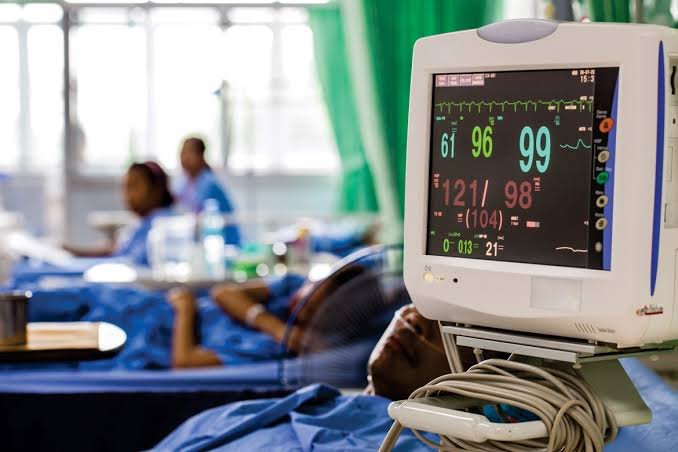
Introduction
A cardiac emergency can happen without warning and may become serious within a short period of time. Chest pain, sudden breathlessness, severe palpitations, fainting, or other unusual symptoms can sometimes indicate a serious heart problem that requires immediate medical evaluation. In such situations, timely access to emergency and critical care services is extremely important.
Cardiac conditions such as heart attacks, severe heart failure, dangerous arrhythmias, cardiogenic shock, and cardiac arrest require specialized medical attention. Patients may need rapid assessment, diagnostic testing, continuous heart monitoring, medication, and intensive care support depending on the severity of their condition.
This is where Cardio Critical Care plays an important role. It combines emergency medical assessment, cardiac monitoring, intensive care, diagnostic support, and coordinated treatment to help manage patients with serious or life-threatening heart conditions.
At MICU Hospital Mahabubnagar, Cardio Critical Care services are focused on providing timely medical attention and continuous monitoring for patients experiencing serious cardiac conditions. The healthcare team works to assess the patient’s condition, identify potential complications, stabilize the patient, and provide appropriate treatment based on individual medical needs.
What Is a Cardiac Emergency?
A cardiac emergency is a serious medical condition involving the heart or cardiovascular system that requires immediate evaluation and treatment.
Some cardiac emergencies may develop suddenly, while others occur when an existing heart condition becomes significantly worse.
Common cardiac emergencies include:
- Heart attacks
- Severe heart failure
- Dangerous heart rhythm abnormalities
- Cardiogenic shock
- Cardiac arrest
- Severe chest pain requiring urgent evaluation
- Sudden cardiovascular instability
The symptoms of a cardiac emergency can vary from one person to another. Some patients may experience classic chest pain, while others may have breathlessness, extreme weakness, dizziness, nausea, or fainting.
Because symptoms can sometimes be difficult to interpret, it is important not to ignore potentially serious warning signs. Prompt medical assessment allows healthcare professionals to determine the cause of symptoms and begin appropriate treatment.
Why 24/7 Cardiac Emergency Care Matters
Heart emergencies do not follow a schedule. They can happen during the day, at night, on weekends, or during holidays. For this reason, access to emergency healthcare services around the clock is important for patients experiencing sudden cardiac symptoms.
When a patient arrives at an emergency department with a suspected heart problem, the first priority is to understand the severity of the condition and identify whether immediate intervention is required.
Early medical assessment can help healthcare professionals:
- Identify potentially serious cardiac conditions
- Perform appropriate diagnostic investigations
- Monitor vital signs and heart rhythm
- Begin stabilization measures when necessary
- Coordinate care with critical care and specialist teams
- Determine whether ICU admission is required
For patients with serious heart conditions, continuous observation may be necessary even after the initial emergency has been managed.
How MICU’s Cardio Critical Care Team Responds to Cardiac Emergencies
Managing a cardiac emergency involves several stages of care. The exact approach depends on the patient’s symptoms, diagnosis, medical history, and overall condition.
Here is an overview of how the Cardio Critical Care team may approach a serious cardiac emergency.
1. Rapid Patient Assessment
When a patient arrives with symptoms that could indicate a cardiac emergency, the first step is a rapid medical assessment.
The healthcare team may evaluate:
- The patient’s main symptoms
- When the symptoms started
- Medical and cardiac history
- Current medications
- Blood pressure
- Heart rate
- Oxygen saturation
- Breathing pattern
- Level of consciousness
For example, a patient experiencing chest discomfort may require immediate evaluation to determine whether the symptoms could be related to a heart attack or another medical condition.
The initial assessment helps healthcare professionals determine the urgency of the situation and decide which diagnostic tests and treatments may be required.
2. Immediate Cardiac Evaluation
Once the initial assessment is completed, doctors may recommend diagnostic investigations based on the patient’s symptoms and clinical condition.
Common tests used during the evaluation of cardiac emergencies may include:
Electrocardiogram (ECG)
An ECG records the electrical activity of the heart. It can help healthcare professionals identify certain heart rhythm abnormalities and signs that may be associated with a heart attack.
Blood Tests
Blood investigations may help doctors assess heart muscle injury and evaluate other important factors such as kidney function, blood sugar, electrolyte levels, and overall health.
Echocardiography
An echocardiogram uses ultrasound technology to examine the structure and function of the heart. It can help doctors assess heart pumping function and identify certain structural or functional abnormalities.
Imaging Tests
Depending on the patient’s condition, additional imaging may be recommended to evaluate the heart, lungs, or other organs.
These diagnostic investigations help healthcare professionals better understand the patient’s condition and make informed treatment decisions.
3. Continuous Cardiac Monitoring
Continuous monitoring is an important part of Cardio Critical Care.
Patients with serious cardiac conditions may experience sudden changes in heart rhythm, blood pressure, oxygen levels, or overall cardiovascular status. Continuous monitoring allows the healthcare team to observe these changes closely.
Depending on the patient’s condition, monitoring may include:
- Heart rate
- Heart rhythm
- Blood pressure
- Oxygen saturation
- Respiratory rate
- Other vital signs
Continuous observation can help the healthcare team identify changes in the patient’s condition promptly and respond appropriately.
This is particularly important for patients who are at risk of dangerous arrhythmias or other complications.
4. Stabilizing the Patient
The immediate goal during a serious cardiac emergency is to stabilize the patient’s condition.
Depending on the diagnosis, the medical team may provide appropriate emergency treatment and supportive care.
This may involve:
- Oxygen support when required
- Medications based on the patient’s condition
- Management of blood pressure
- Management of abnormal heart rhythms
- Fluid management
- Close monitoring of vital signs
- Other emergency interventions based on clinical requirements
Treatment is individualized because every cardiac emergency is different. The healthcare team considers the patient’s diagnosis, medical history, severity of illness, and response to treatment when deciding the appropriate course of care.
5. Specialized ICU and Critical Care Support
Some patients with serious cardiac emergencies may require admission to an Intensive Care Unit.
The ICU provides an environment where critically ill patients can receive continuous observation and specialized medical support.
Patients may receive:
- Advanced monitoring
- Continuous nursing care
- Frequent medical assessments
- Oxygen or respiratory support when required
- Medication management
- Monitoring for potential complications
The goal of intensive care is to provide close observation and timely medical intervention for patients whose condition requires a higher level of support.
Cardiac Emergencies That May Require Critical Care
The Cardio Critical Care team may manage patients experiencing a variety of serious heart-related conditions.
Heart Attack
A heart attack occurs when blood flow to part of the heart muscle becomes blocked. This can cause damage to the heart and may lead to serious complications.
Possible symptoms include:
- Chest pain or pressure
- Shortness of breath
- Sweating
- Nausea
- Dizziness
- Pain that may spread to the arm, shoulder, jaw, neck, or back
Not everyone experiences the same symptoms. Any sudden or unexplained symptoms that could indicate a heart attack should be treated as a medical emergency.
Prompt medical evaluation is essential.
Severe Heart Failure
Heart failure occurs when the heart cannot pump blood effectively enough to meet the body’s needs.
When heart failure suddenly becomes worse, patients may experience:
- Severe breathlessness
- Difficulty lying flat
- Swelling
- Extreme fatigue
- Rapid heartbeat
Some patients with acute heart failure may require intensive monitoring and medical support.
Cardio Critical Care allows healthcare professionals to observe the patient’s condition closely and adjust treatment according to their response.
Dangerous Arrhythmias
Arrhythmias are abnormalities in the heart’s rhythm.
Some arrhythmias may be harmless, but certain abnormal rhythms can affect the heart’s ability to pump blood effectively.
Symptoms may include:
- Rapid heartbeat
- Slow heartbeat
- Palpitations
- Dizziness
- Fainting
- Chest discomfort
Patients with potentially serious arrhythmias may require continuous ECG monitoring and specialized medical management.
Cardiogenic Shock
Cardiogenic shock is a severe condition in which the heart is unable to pump enough blood to meet the body’s needs.
It can occur as a complication of a severe heart attack or other serious cardiac conditions.
Possible symptoms include:
- Very low blood pressure
- Confusion
- Rapid breathing
- Cold or clammy skin
- Weak pulse
- Reduced urine output
Cardiogenic shock requires immediate medical attention and intensive monitoring.
Cardiac Arrest and Post-Resuscitation Care
Cardiac arrest occurs when the heart suddenly stops pumping blood effectively.
Emergency resuscitation is required immediately. Patients who regain circulation after cardiac arrest may still need intensive medical care and close monitoring.
Post-resuscitation care focuses on supporting the patient’s recovery and monitoring for complications that may affect the heart, brain, lungs, kidneys, and other organs.
The Role of a Multidisciplinary Cardio Critical Care Team
Cardiac emergencies can affect multiple systems in the body. As a result, patients may require coordinated care from professionals with different areas of expertise.
A multidisciplinary team may involve:
- Emergency physicians
- Critical care specialists
- Cardiologists
- ICU nurses
- Respiratory care professionals
- Laboratory teams
- Diagnostic imaging professionals
Each member contributes to different aspects of patient care.
For example, the emergency team may focus on immediate assessment and stabilization, while critical care professionals monitor the patient’s condition in the ICU. Specialists may contribute to diagnosis and treatment planning when necessary.
This collaborative approach can help ensure that important aspects of the patient’s health are considered during treatment.
Why Advanced Cardiac Monitoring Is Important
Cardiac monitoring is one of the most important components of critical care for seriously ill heart patients.
A patient’s condition can change quickly during a cardiac emergency. Continuous monitoring helps healthcare professionals observe changes that may not be immediately visible through symptoms alone.
Monitoring can help teams:
- Identify abnormal heart rhythms
- Observe changes in heart rate
- Track blood pressure
- Monitor oxygen levels
- Assess response to treatment
- Recognize potential deterioration
The information obtained through monitoring supports clinical decision-making and allows healthcare professionals to respond appropriately when a patient’s condition changes.
Why Families Choose MICU for Cardio Critical Care in Mahabubnagar
When searching for a hospital for serious heart conditions, families often consider several factors, including emergency readiness, ICU facilities, diagnostic support, specialist availability, and the ability to provide continuous patient monitoring.
MICU Hospital Mahabubnagar provides a range of critical care and emergency services designed to support patients with serious medical conditions.
The Cardio Critical Care service focuses on:
- 24/7 emergency care
- Cardiac emergency assessment
- Continuous cardiac monitoring
- ICU support
- Critical care management
- Diagnostic support
- Multidisciplinary healthcare
- Patient-focused treatment
For families looking for Cardio Critical Care in Mahabubnagar, having access to emergency and critical care services within the same healthcare facility can make the treatment journey more coordinated.
MICU’s broader critical care services also allow patients with complex medical conditions to receive support from different medical teams based on their individual needs.
What Happens After a Cardiac Emergency Is Stabilized?
Managing the immediate emergency is only one part of a patient’s healthcare journey.
After stabilization, patients may continue to require medical supervision and follow-up care.
The next stages may include:
Continued Monitoring
Doctors may continue monitoring the patient’s heart function and overall health.
Medication Management
Patients may be prescribed medications based on their diagnosis and individual medical requirements.
Follow-Up Consultations
Regular follow-up appointments allow healthcare professionals to monitor recovery and make changes to treatment when necessary.
Managing Risk Factors
Patients may be advised to manage risk factors such as:
- High blood pressure
- Diabetes
- High cholesterol
- Smoking
- Obesity
- Physical inactivity
Lifestyle Changes
Depending on the patient’s condition, doctors may recommend changes to diet, physical activity, sleep, stress management, and other lifestyle factors.
Recovery varies from patient to patient. The treating healthcare team can provide personalized guidance based on the individual’s condition and medical history.
How Families Can Support Patients During Recovery
Recovering from a serious cardiac emergency can be challenging for both patients and their families.
Family members can provide valuable support by:
- Helping patients follow prescribed treatment plans
- Encouraging regular follow-up visits
- Supporting healthy lifestyle changes
- Helping patients recognize warning signs
- Providing emotional support
- Encouraging patients to follow their healthcare professional’s advice
Family involvement can help patients feel supported as they adjust to life after a serious cardiac event.
Conclusion
Cardiac emergencies require immediate attention, accurate diagnosis, continuous monitoring, and coordinated medical care. Conditions such as heart attacks, severe heart failure, dangerous arrhythmias, cardiogenic shock, and cardiac arrest can become life-threatening and require specialized critical care.
A 24/7 Cardio Critical Care service helps ensure that patients experiencing serious cardiac conditions can receive timely medical assessment and appropriate support.
At MICU Hospital Mahabubnagar, the Cardio Critical Care team focuses on emergency assessment, continuous cardiac monitoring, ICU support, diagnostic evaluation, and coordinated critical care. The multidisciplinary approach helps healthcare professionals address the complex needs of patients experiencing serious heart conditions.
For patients and families, understanding the warning signs of cardiac emergencies is equally important. Persistent chest pain, severe breathlessness, fainting, sudden weakness, or other concerning symptoms should never be ignored.
If you or someone you know experiences symptoms that may indicate a cardiac emergency, seek immediate medical attention. Early evaluation and appropriate treatment can be critical in managing serious heart conditions.
FAQs
1. What cardiac emergencies may require Cardio Critical Care?
Serious heart attacks, severe heart failure, dangerous arrhythmias, cardiogenic shock, cardiac arrest, and other conditions requiring continuous monitoring may require Cardio Critical Care.
2. Does MICU provide 24/7 cardiac emergency care?
MICU Hospital provides emergency and critical care services. Patients experiencing symptoms of a possible cardiac emergency should seek immediate medical attention so that healthcare professionals can evaluate their condition and determine the appropriate care.
3. Why is continuous cardiac monitoring important?
Continuous monitoring allows healthcare professionals to observe heart rhythm, heart rate, blood pressure, oxygen levels, and other vital signs. This can help the medical team identify changes in a patient’s condition promptly.
4. What happens when a patient with a cardiac emergency arrives at MICU Hospital?
The patient is evaluated based on symptoms and medical condition. The healthcare team may perform appropriate diagnostic tests, initiate stabilization measures, provide monitoring, and determine whether intensive or specialized care is required.
5. When should someone seek emergency care for chest pain?
Anyone experiencing persistent, severe, or unexplained chest pain—especially when accompanied by breathlessness, sweating, fainting, weakness, or pain spreading to the arm or jaw—should seek immediate medical attention.