 24/7 Emergency Available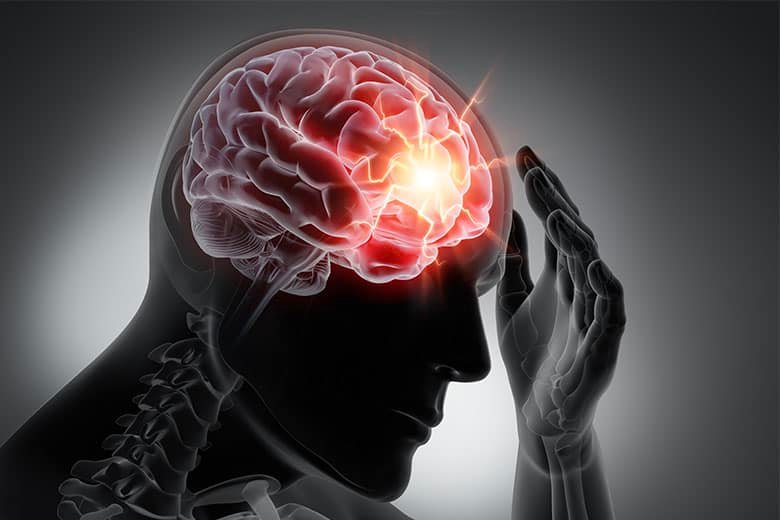
A head injury can happen unexpectedly due to a road accident, fall, sports injury, workplace accident, or other forms of trauma. While some head injuries may be minor, others can affect the brain and become serious or life-threatening. In some situations, symptoms may not be immediately obvious, making timely medical evaluation important.
A serious head injury may cause bleeding, swelling, changes in consciousness, seizures, or other neurological complications. When a patient shows signs of significant brain injury or requires continuous neurological monitoring and critical care support, the situation may require Neuro Critical Care.
At MICU Hospital Mahabubnagar, Neuro Critical Care services support patients experiencing serious neurological conditions, including traumatic brain injuries and other neurological emergencies. The care approach can involve emergency assessment, diagnostic evaluation, stabilization, continuous monitoring, and critical care based on the patient’s condition.
What Is a Head Injury?
A head injury refers to trauma affecting the scalp, skull, or brain. It can range from a minor bump or cut to a severe traumatic brain injury.
A traumatic brain injury occurs when an external force affects the normal functioning of the brain. Depending on the severity and location of the injury, patients may experience changes in consciousness, memory, movement, speech, coordination, or behavior.
Common Causes of Head Injuries
Head injuries can occur because of:
- Road traffic accidents
- Falls
- Sports-related injuries
- Workplace accidents
- Physical trauma
- Bicycle or motorcycle accidents
- Other significant impacts to the head
Not every head injury results in brain damage. However, certain symptoms following trauma can indicate a more serious problem and require urgent medical evaluation.
Mild vs Severe Head Injury
The severity of a head injury can vary significantly from one person to another.
Mild Head Injury
Some people may experience relatively mild symptoms such as:
- Temporary headache
- Mild dizziness
- Minor swelling
- Brief confusion
- Feeling tired
Even when symptoms appear mild, medical assessment may be appropriate depending on how the injury occurred and the patient’s symptoms.
Severe Head Injury
A more serious head injury may cause:
- Loss of consciousness
- Increasing confusion
- Severe or worsening headache
- Repeated vomiting
- Seizures
- Weakness or numbness
- Difficulty speaking
- Increasing drowsiness
- Abnormal behavior
- Changes in consciousness
- Difficulty walking or maintaining balance
These symptoms should not be ignored. A person experiencing concerning symptoms after a significant head injury should receive immediate medical attention.
When Does a Head Injury Become a Neuro Critical Care Emergency?
A head injury may become a Neuro Critical Care emergency when the patient shows signs of serious brain injury, neurological deterioration, or requires intensive monitoring and medical support.
Several warning signs may indicate that the injury requires urgent evaluation.
1. Loss of Consciousness
Loss of consciousness following a head injury can indicate that the brain has been significantly affected.
Even if the person regains consciousness, medical evaluation may be necessary to determine the severity of the injury.
2. Repeated Vomiting
Repeated vomiting after a head injury can be a warning sign that requires medical assessment, particularly when it occurs alongside headache, confusion, or changes in consciousness.
3. Severe or Worsening Headache
A headache that becomes increasingly severe after head trauma should not be ignored.
Persistent or worsening symptoms require professional medical evaluation.
4. Seizures
A seizure following a head injury is a serious warning sign.
Patients experiencing seizures after trauma may require urgent neurological assessment and, depending on their condition, close monitoring in a critical care setting.
5. Confusion or Abnormal Behavior
Changes in behavior, confusion, difficulty recognizing people, unusual responses, or problems communicating may indicate neurological impairment.
6. Weakness or Numbness
Sudden weakness or numbness affecting the face, arm, leg, or one side of the body requires immediate medical attention.
7. Difficulty Speaking
Problems with speech or understanding language after a head injury can indicate neurological involvement.
8. Increasing Drowsiness or Reduced Consciousness
Increasing difficulty staying awake, reduced responsiveness, or deterioration in consciousness can indicate a serious neurological problem.
Why Some Head Injuries Require Neuro Critical Care
The brain is highly sensitive to injury. Serious trauma can cause complications that require close medical observation.
Potential complications can include:
- Brain bleeding
- Brain swelling
- Changes in consciousness
- Seizures
- Neurological deterioration
- Breathing problems
- Other complications affecting vital functions
When a patient has a serious traumatic brain injury, healthcare professionals may need to monitor neurological status and vital functions closely.
Neuro Critical Care provides a specialized environment for patients who require intensive observation, monitoring, and critical care because of serious neurological conditions.
The exact level of care depends on the patient’s symptoms, diagnostic findings, overall health, and response to treatment.
What Happens When a Severe Head Injury Reaches MICU?
When a patient with a serious head injury arrives at MICU Hospital Mahabubnagar, the initial focus is on assessing the patient’s condition and identifying urgent medical concerns.
Step 1: Emergency Assessment
The healthcare team may evaluate:
- How the injury occurred
- The patient’s symptoms
- Level of consciousness
- Vital signs
- Neurological status
- Relevant medical history
This assessment helps determine the severity of the situation and the next steps in care.
Step 2: Diagnostic Evaluation
Depending on the patient’s condition, doctors may recommend appropriate investigations.
These can include:
- Neurological examination
- Imaging studies when clinically indicated
- Blood investigations
- Other diagnostic assessments
The purpose is to understand the nature and severity of the injury and identify possible complications.
Step 3: Stabilization
Immediate medical priorities are addressed first.
The healthcare team works to stabilize the patient while continuing to assess the neurological condition.
Step 4: Continuous Monitoring
Patients with serious neurological injuries may require close monitoring of:
- Consciousness
- Neurological status
- Blood pressure
- Heart rate
- Oxygen saturation
- Breathing
- Other vital functions
Step 5: Neuro Critical Care
If the patient’s condition requires intensive neurological monitoring or critical care, Neuro Critical Care may form an important part of their treatment.
At MICU, care is based on the patient’s individual medical condition and clinical requirements.
The Role of MICU Neuro Critical Care in Serious Brain Injuries
MICU Neuro Critical Care is designed to support patients experiencing serious neurological conditions that require specialized attention.
For patients with significant traumatic brain injuries, critical care may involve:
- Close neurological observation
- Continuous monitoring
- Diagnostic support
- Monitoring for complications
- Stabilization and supportive care
- Coordination between healthcare professionals
The patient’s condition can change over time, so ongoing assessment is an important part of critical care.
At MICU Hospital Mahabubnagar, Neuro Critical Care supports patients with neurological emergencies, including traumatic brain injuries, stroke, seizures, and other serious neurological conditions.
How Doctors Monitor Patients With Serious Head Injuries
Continuous monitoring can be particularly important for patients with significant brain injuries.
Healthcare professionals may assess neurological and vital functions at regular intervals or continuously, depending on the patient’s condition.
Neurological Monitoring
Doctors and healthcare professionals may observe:
- Level of consciousness
- Responsiveness
- Movement
- Speech
- Neurological changes
- Other clinical signs relevant to the patient’s condition
Vital Sign Monitoring
The patient may also require monitoring of:
- Blood pressure
- Heart rate
- Oxygen saturation
- Respiratory status
- Other vital parameters
The purpose of monitoring is to identify changes in the patient’s condition and allow the healthcare team to respond appropriately.
Brain Bleeding and Head Injuries
One of the serious complications that can occur after head trauma is bleeding inside or around the brain.
This is known as intracranial bleeding.
Bleeding can increase pressure within the skull and may affect normal brain function.
Symptoms That May Occur
Depending on the location and severity of the bleeding, patients may develop:
- Severe headache
- Vomiting
- Confusion
- Drowsiness
- Weakness
- Speech difficulties
- Seizures
- Changes in consciousness
Because intracranial bleeding can be serious, symptoms following significant head trauma require prompt medical evaluation.
Diagnostic imaging may be used when clinically appropriate to assess the brain and identify potential bleeding or other injuries.
Why Choose MICU for Neuro Critical Care in Mahabubnagar?
When a patient experiences a serious neurological emergency, families need access to appropriate emergency and critical care services.
MICU Hospital Mahabubnagar provides Neuro Critical Care as part of its critical care services for serious neurological conditions.
Key areas of care include:
Neuro Critical Care
Specialized critical care support for patients with serious neurological conditions.
Emergency Care
Evaluation and management of patients requiring urgent medical attention.
Critical Care Support
Close observation and monitoring for patients with severe medical conditions.
Diagnostic Support
Appropriate diagnostic evaluation to help healthcare professionals understand the patient’s condition.
Continuous Monitoring
Close observation of critically ill patients according to their medical requirements.
Coordinated Care
A team-based approach to managing complex neurological emergencies.
The goal is to provide patients with appropriate medical care based on their individual clinical needs.
Conclusion
A head injury can range from a minor injury to a serious traumatic brain injury requiring emergency treatment and Neuro Critical Care.
Symptoms such as loss of consciousness, repeated vomiting, severe or worsening headache, seizures, confusion, weakness, difficulty speaking, increasing drowsiness, or changes in consciousness should never be ignored following significant head trauma.
When a patient develops signs of serious neurological injury, timely medical assessment is important. Depending on the patient’s condition, they may require diagnostic evaluation, stabilization, continuous monitoring, and specialized Neuro Critical Care.
MICU Hospital Mahabubnagar provides Neuro Critical Care services for serious neurological conditions, including traumatic brain injuries, stroke, seizures, and other neurological emergencies.
FAQs
1. When does a head injury become a medical emergency?
A head injury becomes particularly concerning when it is followed by symptoms such as loss of consciousness, repeated vomiting, seizures, severe or worsening headache, confusion, weakness, difficulty speaking, increasing drowsiness, or reduced responsiveness. Immediate medical evaluation is recommended for concerning symptoms.
2. What are the warning signs of a serious brain injury?
Warning signs may include loss of consciousness, worsening headache, repeated vomiting, seizures, confusion, weakness or numbness, speech difficulties, changes in behavior, increasing drowsiness, and changes in consciousness.
3. When does a head injury require Neuro Critical Care?
A head injury may require Neuro Critical Care when the patient has a serious traumatic brain injury, neurological deterioration, significant changes in consciousness, seizures, or requires intensive neurological and vital-sign monitoring. The treating medical team determines the appropriate level of care.
4. Can a head injury cause seizures?
Yes. Certain traumatic brain injuries can be associated with seizures. A seizure following head trauma requires urgent medical assessment, particularly when it is prolonged, repeated, or accompanied by other concerning symptoms.
5. Why is continuous monitoring important after a serious head injury?
Continuous or frequent monitoring allows healthcare professionals to identify changes in neurological status, consciousness, breathing, blood pressure, oxygen levels, and other vital functions. This can help the medical team respond appropriately when the patient’s condition changes.