 24/7 Emergency Available
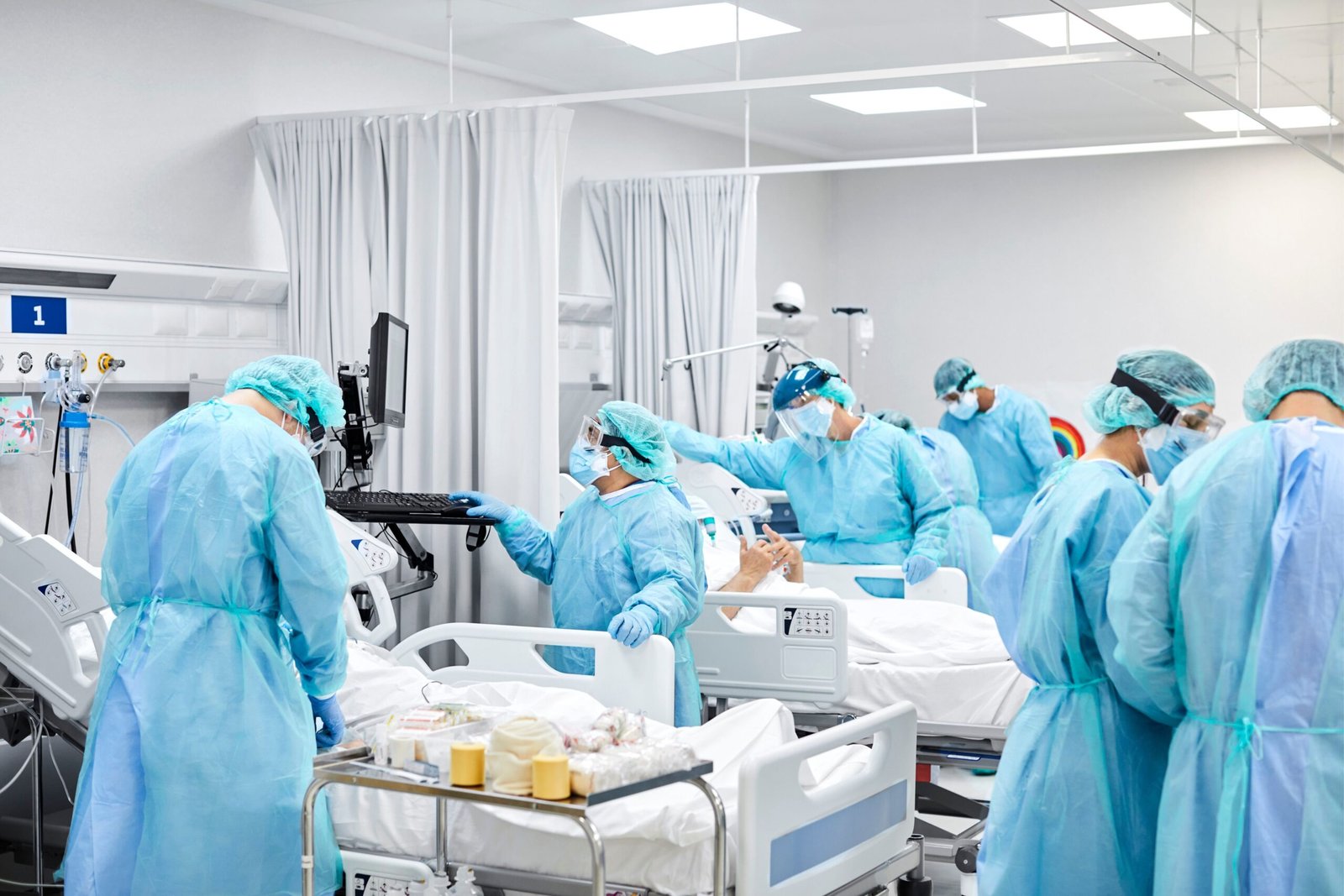
When a patient is critically ill, their health can change quickly. Serious infections, heart conditions, breathing difficulties, kidney problems, and other medical emergencies may require continuous observation and timely treatment. In these situations, 24/7 monitoring in a Super Speciality Intensive Care Unit (ICU) plays an important role in patient care.
At MICU Hospital, Mahabubnagar, intensive care services focus on monitoring and supporting patients with serious medical conditions. Continuous monitoring helps the medical team observe important changes in a patient’s condition, assess their response to treatment, and make clinical decisions when necessary.
Understanding how ICU monitoring works can help patients and their families recognize why it is an important part of critical care.
What Is 24/7 Monitoring in a Super Speciality ICU?
24/7 monitoring means observing a patient’s health continuously, day and night, while they receive intensive care. It involves medical equipment, regular clinical assessments, and supervision by trained healthcare professionals.
In a Super Speciality ICU, patients may need closer observation because their condition is unstable or because they require support for essential body functions.
Depending on the patient’s condition, monitoring may include:
- Heart rate and heart rhythm.
- Blood pressure.
- Oxygen saturation.
- Breathing rate and respiratory status.
- Body temperature.
- Urine output and fluid balance.
- Blood test results and other clinical measurements.
Not every patient needs every type of monitoring. The medical team decides what should be monitored based on the patient’s illness, symptoms, and treatment requirements.
At MICU Hospital in Mahabubnagar, ICU monitoring forms part of the hospital’s broader focus on intensive care and critical care services.
Why Is Continuous ICU Monitoring Important?
Continuous monitoring helps the medical team identify changes that may require attention. For critically ill patients, recognizing these changes and responding appropriately can be an important part of managing their condition.
1. Helps Identify Changes in a Patient’s Condition
A critically ill patient’s heart rate, blood pressure, oxygen levels, or breathing pattern may change during treatment.
Monitoring equipment can display these changes and may generate alerts when readings cross configured limits. Healthcare professionals assess the readings alongside the patient’s symptoms and clinical condition to determine whether action is needed.
This helps the team recognize potential deterioration and assess the patient promptly.
2. Supports Timely Medical Decisions
Patients in intensive care may require changes to medication, oxygen therapy, fluid management, or other treatments.
Continuous monitoring provides information that helps doctors assess the patient’s condition and decide whether the treatment plan needs adjustment. Decisions are based on the complete clinical picture, not only on monitor readings.
3. Helps Assess Response to Treatment
Monitoring allows healthcare professionals to observe how a patient responds to treatment over time.
For example, a patient receiving treatment for a serious respiratory condition may need regular assessment of oxygen saturation, breathing, and other indicators. Changes in these measurements can help the team evaluate progress and determine whether further assessment is necessary.
4. Supports the Management of Serious Medical Conditions
Patients with severe heart conditions, respiratory failure, sepsis, acute kidney injury, or multiple organ problems may need close monitoring.
Monitoring helps the medical team follow important changes and manage complications according to the patient’s needs.
5. Provides Information Throughout the Day and Night
Serious medical conditions do not follow a fixed schedule. A patient’s condition may change during the night as well as during the day.
Round-the-clock monitoring helps ensure that important changes can be detected and assessed at any time. Equipment alone does not replace medical professionals; appropriate supervision and clinical response remain essential.
What Vital Signs Are Monitored in a Super Speciality ICU?
Vital signs provide important information about how the body is functioning. In a Super Speciality ICU, the measurements selected depend on the patient’s medical condition.
Heart Rate and Heart Rhythm
Heart rate measures how quickly the heart beats. Heart rhythm monitoring can help identify irregular electrical activity or other concerning changes.
Patients with heart attacks, severe heart failure, or dangerous arrhythmias may require continuous cardiac monitoring. The medical team interprets the readings and determines whether additional evaluation or treatment is needed.
Blood Pressure
Blood pressure provides information about the force of blood moving through the blood vessels.
Very low blood pressure may indicate problems with circulation, while high blood pressure can also be concerning in certain medical conditions. Monitoring helps doctors evaluate circulation and assess the effects of treatment.
Oxygen Saturation
Oxygen saturation, commonly measured using a pulse oximeter, estimates the percentage of oxygen carried by the blood.
Patients with pneumonia, severe lung disease, respiratory failure, or other serious conditions may need frequent or continuous oxygen monitoring.
If oxygen levels are low, the medical team assesses the cause and determines whether oxygen therapy or other respiratory support is required.
Breathing Rate and Respiratory Status
Breathing rate measures the number of breaths taken per minute. Doctors and nurses also assess breathing effort, chest movement, and other signs of respiratory distress.
Changes in breathing may indicate that a patient’s condition is worsening. Patients receiving respiratory support may need additional monitoring based on their clinical needs.
Body Temperature
Temperature monitoring can help identify fever or an unusually low body temperature.
Changes in temperature may occur with infections and other medical conditions. The medical team considers temperature alongside other symptoms, examination findings, and test results.
Urine Output and Fluid Balance
Urine output can provide useful information about kidney function and the body’s fluid balance.
Patients with acute kidney injury, severe infections, or circulation problems may need careful tracking of urine output and fluid intake. Blood tests may also be used to assess kidney function and electrolyte levels.
How Does 24/7 Monitoring Help Critically Ill Patients?
The benefits of monitoring depend on the patient’s condition and the medical care provided. It is an important tool for guiding assessment and treatment in intensive care.
Early Recognition of Deterioration
Changes in vital signs may provide early indications that a patient needs further assessment. The medical team can evaluate these changes and take appropriate action based on the situation.
Monitoring Heart and Lung Function
Patients with serious cardiac or respiratory conditions may need close observation of heart activity, oxygen levels, and breathing.
Monitoring provides information that helps clinicians evaluate the patient’s condition and determine whether treatment adjustments are necessary.
Managing Patients With Multiple Organ Problems
When two or more organs are affected by a serious illness, treatment can become more complex. A patient may need monitoring of heart function, breathing, kidney function, fluid balance, and other clinical measurements.
A coordinated approach helps the medical team assess different aspects of the patient’s condition and prioritize treatment according to medical needs.
Evaluating Treatment Effectiveness
Monitoring results can help doctors understand whether a patient’s condition is improving, remaining stable, or becoming worse.
However, no single reading can fully explain a patient’s health. Doctors combine monitoring data with physical examinations, laboratory investigations, imaging, and the patient’s medical history.
The Role of Medical Professionals in Continuous ICU Monitoring
ICU monitoring involves more than connecting a patient to equipment. Trained healthcare professionals must interpret the information, assess the patient, and decide what action is appropriate.
Critical Care Doctors
Critical care doctors assess the patient’s overall condition, identify medical priorities, and develop or adjust the treatment plan.
They review monitoring data, laboratory results, and clinical findings to guide treatment decisions.
Nursing Staff
ICU nurses observe patients, monitor vital signs, administer prescribed treatments, and report important changes to the medical team.
Their ongoing observation is an essential part of intensive care.
Respiratory Care
Patients with serious breathing problems may need respiratory assessment and support. Depending on the patient’s condition, this can include oxygen therapy or mechanical ventilation.
Monitoring helps the team assess breathing and the patient’s response to respiratory treatment.
Coordination Among Healthcare Professionals
Patients with complex conditions may need input from different medical specialties. Communication between the care team members helps coordinate treatment and address complications affecting different organs.
At MICU Hospital, critical care services are intended to support patients who require intensive medical attention. The specific care team and interventions depend on the patient’s condition and the services clinically required.
The Role of Equipment in Super Speciality ICU Monitoring
Medical equipment helps healthcare professionals collect and review information about a patient’s condition.
Common monitoring and critical care equipment may include:
- Bedside patient monitors: Display measurements such as heart rate, blood pressure, and oxygen saturation.
- Pulse oximeters: Estimate blood oxygen saturation.
- Blood pressure monitoring devices: Measure blood pressure at intervals or continuously when appropriate.
- Respiratory support equipment: Provides breathing assistance when clinically required.
- Laboratory testing equipment: Supports the assessment of blood gases, kidney function, electrolytes, and other clinical indicators.
- Centralized nursing stations: Help healthcare staff coordinate observation and care where these facilities are available.
The equipment used for an individual patient depends on the type and severity of the illness. Monitoring devices support clinical care but do not replace professional assessment.
MICU Hospital lists ICU monitoring facilities, a centralized nursing station, round-the-clock laboratory support, and arterial blood gas (ABG) testing among its critical care facilities.
Which Patients May Need 24/7 ICU Monitoring?
Not every hospital patient requires intensive care. Continuous ICU monitoring may be appropriate for patients whose conditions are serious or unstable.
Patients With Serious Heart Conditions
People experiencing certain heart attacks, dangerous arrhythmias, or severe heart failure may need close cardiac monitoring and medical management.
Patients With Severe Respiratory Problems
Patients with severe pneumonia, respiratory failure, or other serious lung conditions may need oxygen monitoring and respiratory support.
Patients With Sepsis or Severe Infections
Sepsis can affect circulation and organ function. Patients with severe illness may need intensive monitoring, prompt treatment, and support for affected organs.
Patients With Acute Kidney Injury
Severe kidney injury may cause fluid accumulation, electrolyte disturbances, or a buildup of waste products. Monitoring helps clinicians assess kidney function and determine whether additional treatment is required.
Patients With Multiple Organ Problems
When a serious illness affects several organs, patients may require coordinated treatment and monitoring of multiple body functions.
Patients With Serious Injuries or Medical Emergencies
Major trauma, severe bleeding, and certain neurological emergencies may require intensive observation and support, depending on the severity of the condition.
The need for ICU admission is determined by qualified medical professionals after assessing the patient’s condition.
24/7 Monitoring at MICU Hospital, Mahabubnagar
MICU Hospital in Mahabubnagar, Telangana, focuses on intensive care, critical care, and emergency services. Its listed specialties include cardio critical care, neuro critical care, pulmo critical care, nephro critical care, gastro critical care, and dialysis critical care.
The hospital also describes ICU monitoring facilities, a centralized nursing station, and round-the-clock laboratory support, including ABG testing.
These facilities are relevant to the assessment and management of critically ill patients. Depending on the patient’s condition, monitoring may help clinicians evaluate heart function, respiratory status, kidney-related concerns, and other important clinical indicators.
For families looking for a Super Speciality ICU in Mahabubnagar, it is important to understand which monitoring facilities, specialists, and treatment options are appropriate for the patient’s specific medical needs.
For details about the services currently available, families can contact MICU Hospital directly or consult the hospital’s official website.
What Should Families Know About ICU Monitoring?
Seeing a family member connected to monitoring equipment can be worrying. Understanding its purpose may help families feel more informed during the treatment process.
Monitor Alarms Do Not Always Mean an Emergency
A monitor may sound an alarm when a reading crosses a set limit, when a sensor becomes disconnected, or when the device detects another issue.
Healthcare professionals assess the situation to determine the cause. Families should alert the nursing staff if they have concerns rather than attempting to adjust the equipment themselves.
Monitoring Needs Differ Between Patients
Some patients need continuous monitoring of several vital signs, while others require a different level of observation. The care plan depends on the severity and type of illness.
Recovery Cannot Be Predicted by Monitor Readings Alone
Monitoring provides useful information, but it cannot independently determine whether a patient will recover. The medical team considers the underlying illness, examination findings, test results, and response to treatment.
Families Should Communicate With the Medical Team
Families can ask the treating doctor or nurse:
- Which vital signs are being monitored?
- What do the main readings mean for the patient’s condition?
- Has the patient’s condition changed?
- What treatment is currently being provided?
- What are the next steps in the treatment plan?
Clear communication helps families understand the patient’s care without relying on individual monitor readings.
Conclusion
24/7 monitoring is an important part of care for patients who are critically ill. It helps healthcare professionals observe vital signs, recognize concerning changes, evaluate treatment responses, and make informed clinical decisions.
In a Super Speciality ICU, appropriate monitoring works alongside trained medical professionals, diagnostic investigations, and individualized treatment. The level of monitoring depends on the patient’s condition and the support they require.
FAQs
1. Why is 24/7 monitoring important in an ICU?
24/7 monitoring helps healthcare professionals observe changes in a critically ill patient’s condition throughout the day and night. It supports timely assessment, treatment decisions, and evaluation of the patient’s response to care.
2. What vital signs are monitored in a Super Speciality ICU?
Depending on the patient’s condition, monitoring may include heart rate, heart rhythm, blood pressure, oxygen saturation, breathing rate, temperature, and urine output. Laboratory results may also be reviewed.
3. Does every ICU patient need continuous monitoring?
Monitoring requirements depend on the patient’s condition and level of care. Critically ill or unstable patients may need continuous monitoring, while other patients may require less intensive observation.
4. How does ICU monitoring help doctors?
Monitoring provides information about important body functions and helps doctors assess changes over time. It is considered alongside physical examinations, laboratory tests, and other clinical findings when making treatment decisions.
5. Can ICU monitoring prevent complications?
Monitoring may help the medical team recognize warning signs and respond to changes in a patient’s condition. However, it cannot prevent every complication or guarantee a particular outcome.