 24/7 Emergency Available
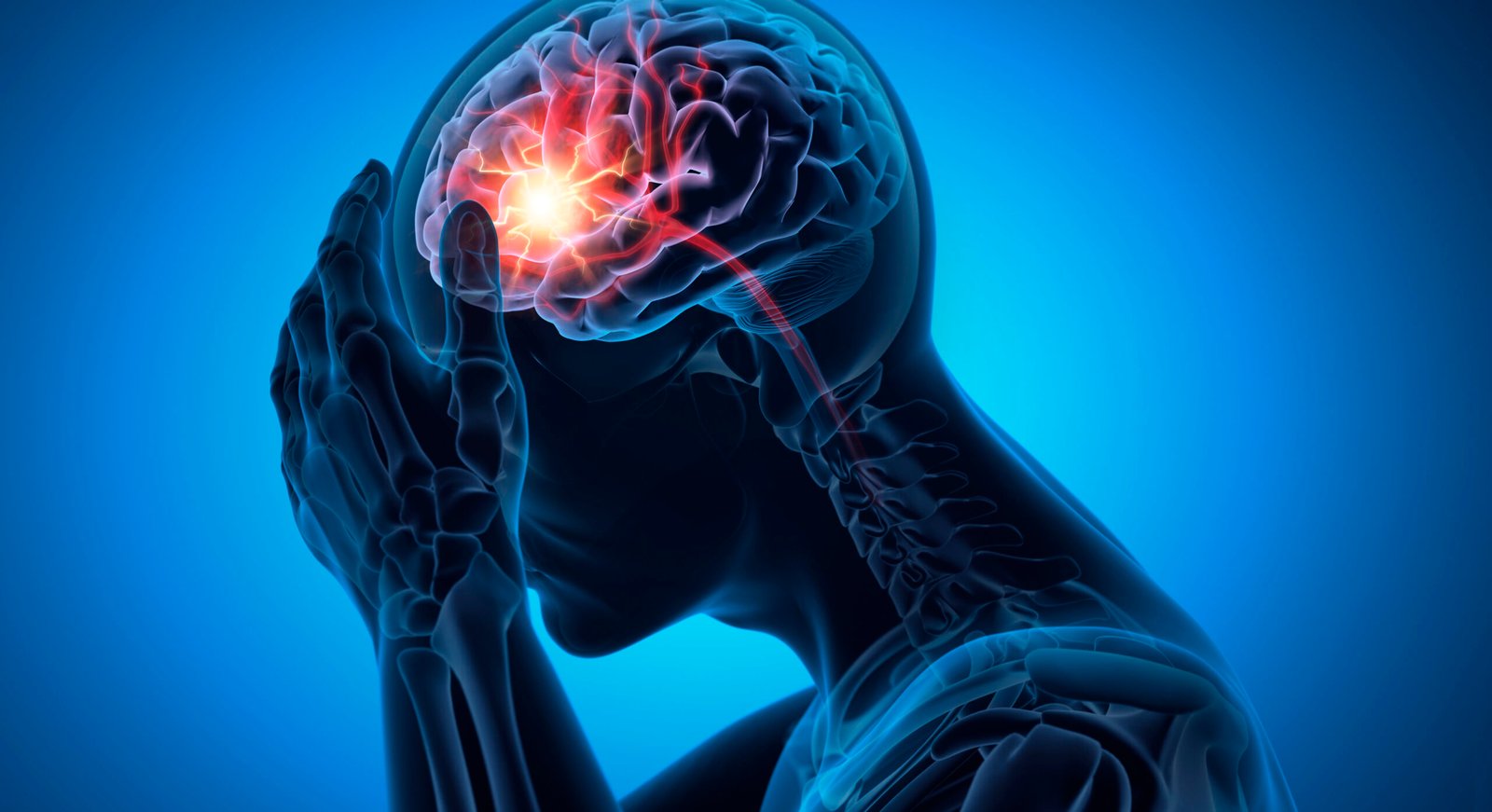
Neurological emergencies can occur suddenly and may require immediate medical attention. Conditions affecting the brain, spinal cord or nervous system can sometimes cause rapid changes in movement, speech, consciousness, breathing or other important body functions.
When a neurological condition becomes severe, patients may require continuous monitoring and specialised intensive care. MICU Hospital Mahabubnagar provides Neuro Critical Care services for patients who require close observation, emergency management and intensive medical support.
What Are Neurological Emergencies?
Neurological emergencies are serious conditions involving the brain, spinal cord or nervous system that require urgent medical evaluation and treatment.
Some neurological conditions can worsen quickly or cause permanent complications if treatment is delayed. For this reason, sudden neurological symptoms should not be ignored.
Neurological emergencies may include:
- Stroke
- Severe or prolonged seizures
- Brain bleeding
- Serious traumatic brain injuries
- Sudden loss of consciousness
- Severe changes in mental status
- Sudden weakness or paralysis
- Certain infections affecting the brain or nervous system
- Conditions causing significant neurological deterioration
At MICU Hospital Mahabubnagar, patients with serious neurological symptoms can be assessed to determine whether emergency treatment, specialist evaluation or Neuro Critical Care is required.
Common Neurological Emergencies That May Require Immediate Care
Different neurological conditions can present with different symptoms. Some may require urgent hospital evaluation and, depending on severity, intensive care.
Stroke and Sudden Neurological Changes
Stroke is one of the most important neurological emergencies. It can occur when blood flow to part of the brain is blocked or when bleeding occurs in the brain.
Possible warning signs include:
- Sudden weakness or numbness, especially on one side
- Facial drooping
- Difficulty speaking or understanding speech
- Sudden vision problems
- Difficulty walking or maintaining balance
- Sudden severe headache
- Sudden confusion
At MICU, patients with suspected neurological emergencies can undergo urgent assessment to determine the appropriate level of care.
Severe Seizures
A seizure occurs when there is abnormal electrical activity in the brain. Some seizures stop on their own, while prolonged or repeated seizures can become a medical emergency.
A patient may require urgent medical attention when:
- A seizure lasts for a prolonged period
- Seizures occur repeatedly without adequate recovery
- The patient does not regain consciousness
- Breathing becomes difficult
- The patient has suffered an injury during the seizure
- The seizure occurs in someone without a previous seizure history
When severe seizures require intensive monitoring, MICU Neuro Critical Care can provide close observation and supportive treatment according to the patient’s condition.
Brain Bleeding
Bleeding inside or around the brain can be a serious medical emergency. It may cause symptoms such as:
- Sudden severe headache
- Vomiting
- Confusion
- Weakness
- Difficulty speaking
- Loss of consciousness
- Seizures
- Changes in vision
Patients with suspected brain bleeding require urgent medical evaluation. Depending on the severity, they may require intensive monitoring and specialist care.
Traumatic Brain Injuries
Head injuries can occur following road accidents, falls, sports injuries or other trauma.
A serious traumatic brain injury may cause:
- Loss of consciousness
- Confusion
- Repeated vomiting
- Severe headache
- Seizures
- Changes in behaviour
- Weakness or difficulty moving
- Increasing drowsiness
At MICU Hospital, critically ill patients with serious neurological injuries may require Neuro Critical Care and continuous monitoring.
Sudden Loss of Consciousness
Loss of consciousness can have several possible causes, including neurological, cardiac and metabolic problems.
Unexplained, prolonged or repeated loss of consciousness requires medical assessment, particularly when accompanied by seizures, weakness, speech difficulties, breathing problems or other abnormal symptoms.
Warning Signs of a Neurological Emergency
Recognising neurological warning signs can help patients and families seek medical attention quickly.
Important warning signs include:
- Sudden facial drooping
- Sudden weakness or numbness
- Difficulty speaking
- Difficulty understanding speech
- Sudden confusion
- Sudden loss of balance
- Difficulty walking
- Sudden vision changes
- Severe or unusual headache
- Seizures
- Loss of consciousness
- Sudden changes in alertness
- Repeated vomiting after a head injury
If these symptoms appear suddenly or become severe, it is important to seek urgent medical evaluation rather than waiting for them to improve.
How MICU Hospital Mahabubnagar Manages Neurological Emergencies
MICU Hospital Mahabubnagar provides specialised Neuro Critical Care for patients with serious neurological conditions.
When a patient arrives with a suspected neurological emergency, the medical team may focus on:
Emergency Assessment
The patient’s symptoms, medical history and vital signs are evaluated to understand the severity of the condition.
Initial Stabilisation
Immediate supportive treatment may be provided when there are problems involving breathing, circulation, consciousness or other vital functions.
Neurological Evaluation
The medical team assesses the patient’s level of consciousness, movement, speech and other neurological functions.
Diagnostic Support
Depending on the symptoms, doctors may request blood tests, imaging or other investigations to identify the cause of the neurological problem.
Intensive Monitoring
Patients who are critically ill may require continuous monitoring of vital signs and neurological status.
Specialist Support
Depending on the patient’s condition, critical care professionals and relevant specialists may work together to manage the emergency.
Neuro Critical Care at MICU Hospital
Neuro Critical Care is an important part of MICU’s specialised critical care services.
Patients with severe neurological conditions may require close monitoring because their condition can change quickly. The MICU team can monitor important clinical parameters and provide supportive treatment according to the patient’s needs.
MICU’s Neuro Critical Care services support patients with conditions such as:
- Stroke
- Traumatic brain injuries
- Seizures
- Serious neurological emergencies
- Conditions requiring intensive neurological monitoring
The objective is to provide appropriate critical care while the underlying neurological condition is investigated and treated.
Role of Advanced Monitoring in Neurological Emergencies
Monitoring is an important part of critical care for patients with serious neurological conditions.
Depending on the patient’s condition, the medical team may monitor:
- Level of consciousness
- Neurological changes
- Blood pressure
- Heart rate
- Oxygen saturation
- Respiratory status
- Temperature
- Other vital parameters
Continuous or frequent monitoring can help the healthcare team identify changes in the patient’s condition and make treatment decisions accordingly.
At MICU, monitoring is combined with clinical assessment and diagnostic investigations to provide an overall understanding of the patient’s condition.
What Patients and Families Can Expect During Neuro Critical Care
An ICU admission can be stressful for both patients and their families. Understanding the general process can make the situation easier to follow.
Depending on the patient’s condition, care at MICU may include:
1. Emergency Assessment
The medical team evaluates the patient’s symptoms, vital signs and neurological condition.
2. Stabilisation
Immediate treatment is provided when necessary to address urgent problems.
3. Diagnostic Evaluation
Appropriate investigations are performed to help identify the underlying cause.
4. ICU Admission When Required
If the patient requires intensive monitoring or advanced support, ICU admission may be recommended.
5. Continuous Monitoring
The patient’s neurological status and vital signs are monitored closely.
6. Specialist Evaluation
Relevant specialists may participate in the patient’s treatment depending on the diagnosis.
7. Ongoing Reassessment
Treatment can be adjusted based on how the patient responds and whether their condition changes.
The length of Neuro Critical Care varies from patient to patient and depends on the underlying condition and response to treatment.
Why Choose MICU Hospital for Neurological Emergencies in Mahabubnagar?
When a neurological emergency occurs, patients may need access to emergency care and specialised critical care in the same hospital environment.
MICU Hospital Mahabubnagar provides:
- Neuro Critical Care services
- 24/7 emergency support
- Critical care specialist support
- Continuous patient monitoring
- Advanced ICU infrastructure
- Diagnostic and laboratory support
- Respiratory support when clinically required
- Support for critically ill patients with complex medical conditions
- Multidisciplinary critical care
MICU focuses on providing intensive care according to the individual needs of critically ill patients.
For people searching for neurological emergencies in Mahabubnagar, MICU Hospital provides specialised Neuro Critical Care as part of its broader critical care services.
Conclusion
Neurological emergencies can develop suddenly and may require rapid assessment and specialised medical care. Symptoms such as sudden weakness, speech difficulties, seizures, loss of consciousness, severe headache or significant changes in alertness should not be ignored.
MICU Hospital Mahabubnagar provides specialised Neuro Critical Care for patients who require intensive monitoring and critical care support. With emergency services, ICU infrastructure, diagnostic support and critical care professionals, MICU can provide care based on the patient’s individual medical condition.
For patients and families looking for neurological emergency care in Mahabubnagar, MICU Hospital provides specialised critical care services for serious neurological conditions.
FAQs
1. What are neurological emergencies?
Neurological emergencies are serious conditions affecting the brain, spinal cord or nervous system that require urgent medical assessment and treatment. Examples include stroke, severe seizures, brain bleeding and serious traumatic brain injuries.
2. What are the warning signs of a neurological emergency?
Sudden weakness, facial drooping, difficulty speaking, confusion, seizures, loss of consciousness, sudden severe headache, vision changes and difficulty walking can be warning signs of a neurological emergency.
3. Does MICU Hospital Mahabubnagar provide Neuro Critical Care?
Yes. MICU Hospital Mahabubnagar provides Neuro Critical Care for patients with serious neurological conditions, including stroke, traumatic brain injuries, seizures and other neurological emergencies.
4. When does a neurological emergency require ICU care?
ICU care may be required when a patient has reduced consciousness, severe brain injury, prolonged seizures, significant neurological deterioration, breathing problems, unstable vital signs or requires continuous intensive monitoring.
5. Can seizures require ICU admission?
Some severe or prolonged seizures may require intensive monitoring and treatment. The need for ICU admission depends on the duration, frequency, severity and effects of the seizures.