 24/7 Emergency Available
When a serious illness affects more than one organ in the body, patients may require specialized medical attention and continuous monitoring. Conditions involving the heart, lungs, kidneys, liver, or brain can become complicated and may need treatment in an intensive care unit (ICU).
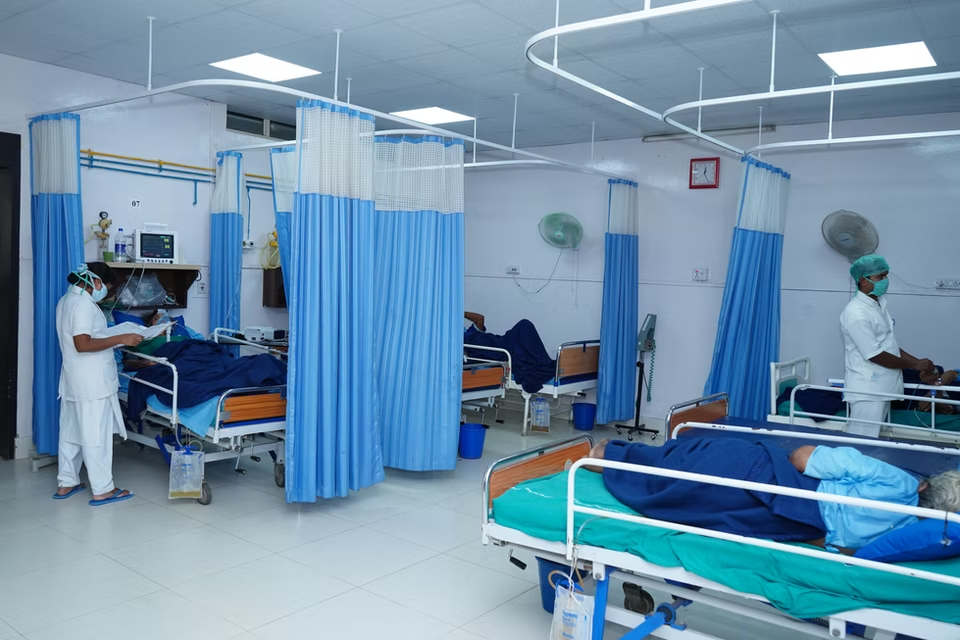
A Super Speciality ICU at MICU Hospital, Mahabubnagar, supports the care of critically ill patients who need close observation, timely medical decisions, and appropriate organ support. The critical care team assesses each patient’s condition and develops a treatment plan based on the affected organs, the severity of the illness, and the patient’s response to treatment.
Understanding multiple organ problems, their warning signs, and the role of intensive care can help families recognize when urgent medical attention may be necessary.
What Are Multiple Organ Problems?
Multiple organ problems occur when two or more organs are affected by a serious illness, infection, injury, or other medical condition. For example, a severe infection may affect blood pressure and circulation, while also causing breathing difficulties or kidney injury.
When several organs are affected, the body may struggle to maintain essential functions such as oxygen delivery, blood circulation, waste removal, and fluid balance. In severe cases, this can develop into multiple organ dysfunction, a condition that requires urgent medical assessment and carefully coordinated treatment.
The organs commonly affected include:
- Heart: May struggle to pump blood effectively or maintain stable circulation.
- Lungs: May have difficulty supplying enough oxygen to the body.
- Kidneys: May become less effective at removing waste and maintaining fluid and electrolyte balance.
- Liver: May have difficulty performing its normal functions, including processing substances in the blood.
- Brain: May be affected by reduced oxygen delivery, infection, metabolic disturbances, or other serious conditions.
Not every patient with problems affecting multiple organs requires the same treatment. The level of care depends on the patient’s symptoms, test results, overall condition, and need for organ support.
What Causes Multiple Organ Problems?
Several medical conditions can affect more than one organ. Identifying the underlying cause is an important part of treatment.
1. Severe Infections and Sepsis
Sepsis is a life-threatening response to an infection that can cause organ dysfunction. It may affect blood pressure, circulation, breathing, and kidney function. Patients with severe sepsis may require intensive monitoring and prompt treatment.
2. Serious Heart Conditions
Severe heart attacks, advanced heart failure, or dangerous heart rhythm problems can reduce the amount of blood reaching other organs. When circulation is inadequate, the kidneys, brain, and other vital organs may also be affected.
3. Severe Respiratory Conditions
Serious pneumonia, acute respiratory distress syndrome (ARDS), and other severe lung conditions can reduce oxygen levels in the blood. If the body does not receive enough oxygen, other organs may be placed under significant stress.
4. Acute Kidney Injury
Acute kidney injury occurs when kidney function declines suddenly. It can cause waste products, fluid, and electrolytes to build up in the body. Severe cases may occur alongside infections, dehydration, low blood pressure, or other critical illnesses.
5. Major Injuries and Trauma
Serious accidents, major bleeding, and extensive injuries can affect circulation and oxygen delivery. Depending on the severity of the injury, multiple organs may require assessment and support.
6. Complications of Existing Medical Conditions
People with existing heart, lung, kidney, or liver conditions may develop additional complications during a serious illness. Their treatment plan may need to account for both the existing condition and the new medical emergency.
When Does a Patient Need Super Speciality ICU Care?
Not every organ-related problem requires ICU admission. However, a patient may need intensive care when their condition becomes unstable or when they require continuous monitoring, advanced treatment, or support for essential body functions.
Warning signs that need urgent medical assessment include:
- Severe difficulty breathing or very low oxygen levels.
- Sudden confusion, reduced alertness, or loss of consciousness.
- Very low blood pressure or signs of poor circulation.
- Chest pain accompanied by severe weakness, breathlessness, or other concerning symptoms.
- A significant reduction in urine output.
- Rapid deterioration during an infection or another serious illness.
- Severe bleeding or major trauma.
These symptoms do not always mean that multiple organs are failing, but they may indicate a serious medical emergency. Seek emergency care immediately if they occur, particularly if the person is becoming less responsive or struggling to breathe.
At MICU Hospital in Mahabubnagar, the need for intensive care should be assessed by qualified medical professionals according to the patient’s condition and clinical requirements.
How MICU Hospital’s Super Speciality ICU Supports Patients With Multiple Organ Problems
Patients with multiple organ problems often need more than one type of treatment. Their condition may change quickly, so medical teams must monitor their progress and adjust treatment according to their needs.
The Super Speciality ICU at MICU Hospital focuses on intensive care and critical care services for seriously ill patients.
1. Continuous Monitoring of Vital Signs
Monitoring vital signs helps the medical team assess how well the body is functioning. Depending on the patient’s condition, this may include tracking heart rate, blood pressure, breathing rate, oxygen saturation, temperature, and other relevant clinical measurements.
Changes in these measurements may help clinicians identify deterioration and determine whether the treatment plan needs to be adjusted.
2. Respiratory Support When Required
Patients with severe lung problems may struggle to maintain adequate oxygen levels. Depending on their condition, treatment may involve supplemental oxygen or other forms of respiratory support.
Some critically ill patients may require mechanical ventilation to help them breathe. The decision depends on the patient’s clinical needs and is made by the treating medical team.
3. Support for Kidney-Related Complications
When kidney function declines, the medical team may need to monitor urine output, kidney function tests, fluid balance, and electrolyte levels.
Dialysis may be required in certain cases of severe kidney injury, particularly when the kidneys cannot adequately manage waste products, fluid, or electrolyte disturbances. The need for dialysis is determined through clinical assessment.
MICU Hospital lists nephro critical care and dialysis critical care among its services, supporting its focus on patients who require specialized care for serious kidney-related conditions.
4. Management of Heart and Circulation Problems
Patients with multiple organ problems may experience changes in heart function or blood circulation. Medical management may include cardiac monitoring, treatment of the underlying heart condition, and measures to support circulation when clinically indicated.
The aim is to maintain adequate blood flow to vital organs while addressing the cause of the patient’s condition.
5. Laboratory and Diagnostic Support
Laboratory investigations and diagnostic assessments can help doctors understand the severity of an illness and monitor how a patient responds to treatment.
Depending on the case, investigations may include blood tests, kidney and liver function tests, electrolyte measurements, blood gas analysis, imaging, or other appropriate tests.
MICU Hospital describes 24-hour laboratory support and arterial blood gas (ABG) testing among its critical care facilities. The investigations used for an individual patient depend on the clinical situation.
6. Coordinated Critical Care
When multiple organs are affected, treatment may involve different areas of critical care. For example, a patient with a severe infection and acute kidney injury may need infection management, fluid assessment, kidney monitoring, and respiratory support if breathing is also affected.
Coordinated assessment helps the medical team address the underlying cause while managing complications involving different organs.
The Role of Different Critical Care Specialties
Different organs require different forms of assessment and treatment. Depending on the patient’s condition, more than one critical care specialty may be involved.
Cardio Critical Care
Cardio critical care focuses on serious heart-related conditions, including heart attacks, dangerous arrhythmias, and severe heart failure.
When heart function or circulation is affected, other organs may receive insufficient blood flow. Appropriate cardiac monitoring and treatment can help the medical team manage the heart condition and assess its effects on the rest of the body.
Pulmo Critical Care
Pulmo critical care supports patients with serious respiratory conditions, including severe pneumonia, respiratory failure, and acute exacerbations of chronic lung disease.
Treatment may involve oxygen therapy, respiratory monitoring, medication, and ventilatory support when required. Maintaining adequate oxygenation is particularly important when other organs are also under stress.
Nephro Critical Care
Nephro critical care focuses on serious kidney-related complications. These may include acute kidney injury, severe electrolyte imbalances, and fluid balance problems.
When kidney function is significantly reduced, careful monitoring and treatment are essential. Dialysis may be considered when medically indicated.
Neuro Critical Care
Neuro critical care addresses serious conditions affecting the brain and nervous system, such as stroke, traumatic brain injury, and certain severe seizures.
Changes in consciousness or neurological function may occur for several reasons, including reduced oxygen delivery, infection, or metabolic disturbances. Prompt assessment helps doctors identify the cause and determine appropriate treatment.
Gastro Critical Care
Gastro critical care may be needed for serious gastrointestinal conditions, such as significant gastrointestinal bleeding, acute pancreatitis, or severe liver-related complications.
These conditions can sometimes affect circulation, fluid balance, and other organ functions. Patients may need close monitoring and treatment based on the underlying problem.
The appropriate specialties and treatments depend on the individual patient’s needs and the services available at the treating hospital.
Why Continuous Monitoring Matters in Multiple Organ Problems
A patient’s condition can change rapidly when more than one organ is affected. Continuous monitoring helps the medical team observe these changes and respond when necessary.
Important benefits of appropriate ICU monitoring include:
- Recognizing deterioration: Changes in vital signs may indicate that the patient’s condition is worsening.
- Assessing treatment response: Doctors can evaluate whether the patient is responding to medication, respiratory support, or other interventions.
- Monitoring organ function: Blood tests and other investigations help assess changes in kidney, liver, respiratory, and cardiovascular function.
- Managing fluid and electrolyte balance: Critically ill patients may need careful management of fluids and important blood chemicals.
- Supporting timely clinical decisions: Monitoring information helps clinicians decide whether treatment needs to be continued, modified, or escalated.
Monitoring is one part of critical care. The patient’s outcome also depends on the underlying illness, how severe it is, the person’s overall health, and how they respond to treatment.
What Should Families Know About ICU Treatment?
Seeing a family member admitted to an ICU can be stressful. Understanding the treatment process may help families communicate more effectively with the medical team.
Treatment Is Different for Every Patient
Two patients with multiple organ problems may require very different treatments. One patient may need respiratory support, while another may require kidney support or treatment for a severe infection.
The medical team determines the treatment plan according to the patient’s clinical condition.
Recovery May Take Time
Recovery depends on the cause of the illness, the organs affected, the severity of the damage, and the patient’s response to treatment. Some patients improve with treatment of the underlying condition, while others may require a longer period of intensive care and rehabilitation.
It is not possible to predict an exact recovery time without assessing the individual patient.
Families Can Ask Important Questions
Families can speak with the treating team to understand:
- Which organs are affected?
- What is causing the patient’s condition?
- What treatments or organ support are currently required?
- How is the patient responding to treatment?
- What changes should the family expect over the next few days?
Clear communication can help families understand the patient’s condition and the goals of treatment.
Choosing a Super Speciality ICU in Mahabubnagar
When a patient needs intensive care, the hospital’s ability to assess the condition and provide appropriate monitoring and treatment is important.
Families may consider the following factors when discussing care options with a medical team:
Availability of critical care professionals: Critically ill patients may require assessment and supervision by trained critical care professionals.
Patient monitoring facilities: Appropriate monitoring helps clinicians observe changes in vital signs and overall condition.
Respiratory support: Patients with severe breathing problems may need oxygen therapy or advanced respiratory support.
Laboratory and diagnostic services: Timely investigations can help doctors assess organ function and guide treatment.
Access to relevant specialties: Patients with multiple organ problems may require coordinated management of cardiac, respiratory, kidney, neurological, or other complications.
Emergency care availability: Serious conditions can deteriorate quickly, making timely assessment and treatment essential.
The most appropriate hospital depends on the patient’s medical needs, the urgency of the situation, and the facilities and specialists required.
Why Consider MICU Hospital, Mahabubnagar, for Critical Care?
MICU Hospital, located in Mahabubnagar, Telangana, focuses on intensive care, critical care, and emergency services. Its listed services include cardio critical care, neuro critical care, pulmo critical care, nephro critical care, gastro critical care, and dialysis critical care.
The hospital describes facilities that include ICU monitoring, respiratory support, a centralized nursing station, and round-the-clock laboratory support.
For patients with serious illnesses affecting multiple organs, the need for particular treatments depends on a clinical assessment. Families should discuss the patient’s condition, required organ support, and available treatment options directly with the hospital’s medical team.
If someone is experiencing signs of a serious medical emergency, seek immediate medical attention rather than waiting for an online consultation or blog information.
Conclusion
Multiple organ problems can be serious and may require timely medical attention, continuous monitoring, and coordinated treatment. Conditions affecting the heart, lungs, kidneys, liver, or brain need careful assessment so that doctors can identify the underlying cause and provide appropriate care.
A Super Speciality ICU in MICU Hospital, Mahabubnagar, is relevant to patients and families seeking information about intensive care and critical care services. The treatment required depends on each patient’s condition, and early medical assessment is important when warning signs of a serious illness appear.
FAQs
1. What are multiple organ problems?
Multiple organ problems occur when two or more organs are affected by a serious illness, infection, injury, or other medical condition. In severe cases, the patient may require intensive monitoring and organ support.
2. When does a patient with multiple organ problems need ICU admission?
ICU admission may be necessary when a patient has an unstable condition, needs continuous monitoring, or requires advanced support for breathing, circulation, or other essential body functions. The decision is made by the treating medical team.
3. Can multiple organ problems be treated in a Super Speciality ICU?
A Super Speciality ICU can provide intensive monitoring and appropriate treatments for critically ill patients, depending on the hospital’s facilities and the patient’s needs. Treatment focuses on addressing the underlying cause and supporting affected organs.
4. What types of support may a patient need in the ICU?
Depending on the condition, a patient may require oxygen therapy, mechanical ventilation, cardiac monitoring, fluid management, treatment for infection, or dialysis. Not every patient needs all these interventions.
5. Can multiple organ problems be reversed?
In some cases, organ dysfunction improves when the underlying cause is treated promptly. Recovery depends on the cause, severity, duration of the illness, and the patient’s overall health. Some patients may experience lasting organ damage.