 24/7 Emergency Available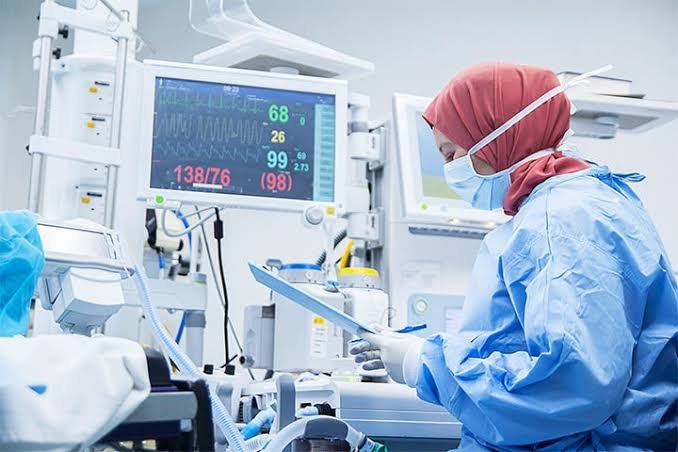
Introduction
Heart-related emergencies are among the most serious medical conditions, often requiring immediate diagnosis, continuous monitoring, and specialized treatment. A delay of even a few minutes can increase the risk of complications, making timely medical care essential. Whether it is a heart attack, severe heart failure, dangerous irregular heart rhythms, or another critical cardiac condition, receiving treatment in a dedicated Cardio Critical Care unit can make a significant difference.
Many people assume that heart care only involves consulting a cardiologist or taking medication. However, when a heart condition becomes life-threatening, patients need far more than routine medical care. They require intensive observation, advanced monitoring, rapid emergency intervention, and a team of healthcare professionals trained to manage complex cardiac emergencies.
This specialized level of treatment is known as Cardio Critical Care. It combines emergency medicine, intensive care, advanced cardiac monitoring, and coordinated treatment to support patients whose heart conditions require immediate attention.
At MICU Hospital Mahabubnagar, Cardio Critical Care services are designed to provide comprehensive support for patients experiencing serious cardiac emergencies. With 24/7 emergency care, advanced ICU facilities, continuous cardiac monitoring, and a multidisciplinary healthcare team, MICU aims to deliver timely and compassionate care during some of the most challenging medical situations.
What Is Cardio Critical Care?
Cardio Critical Care is a specialized branch of medicine focused on treating patients with severe or life-threatening heart conditions that require continuous monitoring and intensive medical support. Unlike routine cardiac care, which often includes regular consultations, medication management, and preventive treatment, Cardio Critical Care is designed for patients who are critically ill or experiencing cardiac emergencies.
Patients admitted to a Cardio Critical Care unit are closely monitored by healthcare professionals using advanced medical equipment that continuously tracks heart rhythm, blood pressure, oxygen levels, and other vital signs. This allows doctors to detect changes in a patient’s condition immediately and respond with appropriate treatment.
Cardio Critical Care brings together specialists from different disciplines, including emergency physicians, critical care doctors, cardiologists, nurses, respiratory therapists, and diagnostic teams. Working together, they develop personalized treatment plans aimed at stabilizing the patient, managing the underlying heart condition, and supporting recovery.
The goal is not only to treat the immediate emergency but also to reduce complications, improve recovery, and help patients transition safely from intensive care to ongoing medical management.
Who Needs Cardio Critical Care?
Not every heart condition requires admission to a Cardio Critical Care unit. However, patients with serious cardiac illnesses or sudden medical emergencies often need specialized monitoring and intensive treatment.
Some of the most common conditions that require Cardio Critical Care include:
Heart Attack (Myocardial Infarction)
A heart attack occurs when blood flow to part of the heart muscle is blocked, reducing the supply of oxygen. Without prompt treatment, heart muscle damage can occur within a short period of time.
Patients with a suspected heart attack often require emergency evaluation, cardiac monitoring, medication, and intensive observation to prevent further complications.
Heart Failure
Heart failure develops when the heart cannot pump blood effectively to meet the body’s needs. Severe heart failure can lead to breathing difficulties, fluid accumulation, low oxygen levels, and reduced circulation.
Patients experiencing acute heart failure may require intensive monitoring, oxygen support, medications, and close observation in a Cardio Critical Care setting.
Cardiac Arrhythmias
An arrhythmia is an abnormal heart rhythm. While some irregular heartbeats are harmless, others can interfere with the heart’s ability to pump blood effectively.
Serious arrhythmias may cause:
- Dizziness
- Fainting
- Chest discomfort
- Severe palpitations
- Sudden loss of consciousness
Continuous cardiac monitoring helps healthcare teams identify abnormal rhythms quickly and provide appropriate treatment.
Cardiogenic Shock
Cardiogenic shock is a life-threatening condition in which the heart suddenly cannot pump enough blood to vital organs. It is often associated with severe heart attacks or advanced heart disease.
Symptoms may include:
- Extremely low blood pressure
- Rapid breathing
- Cold or clammy skin
- Confusion
- Weak pulse
Immediate intensive medical care is essential to stabilize the patient and support heart function.
Cardiac Arrest Recovery
Patients who have survived cardiac arrest require close monitoring after successful resuscitation. Even after the heart starts beating again, the body—including the brain and other organs—may need intensive support.
Cardio Critical Care plays a vital role in monitoring recovery, managing complications, and providing comprehensive care during this critical period.
Warning Signs of a Cardiac Emergency
Recognizing the symptoms of a serious heart condition can save lives. Many patients delay seeking medical attention because they hope the symptoms will go away on their own. Unfortunately, delaying treatment can increase the risk of complications.
Seek immediate medical care if you or someone around you experiences:
Persistent Chest Pain
Pressure, tightness, heaviness, or pain in the chest lasting more than a few minutes should never be ignored.
Pain Spreading to Other Areas
Heart-related pain may spread to the left arm, shoulder, neck, jaw, or upper back.
Shortness of Breath
Difficulty breathing, especially when accompanied by chest discomfort, may indicate a cardiac emergency.
Cold Sweating
Sudden unexplained sweating can be an early warning sign of a heart attack.
Irregular or Rapid Heartbeat
Palpitations, fluttering sensations, or an unusually fast heartbeat accompanied by dizziness or fainting require urgent evaluation.
Severe Weakness or Dizziness
Feeling extremely weak, lightheaded, or losing consciousness can indicate inadequate blood flow to the brain due to a heart problem.
Recognizing these warning signs early and seeking immediate emergency care can significantly improve the chances of timely treatment.
How MICU Provides Advanced Cardio Critical Care
Managing a life-threatening heart condition requires more than emergency treatment alone. Patients often need continuous observation, rapid clinical decisions, advanced monitoring, and coordinated care from multiple healthcare professionals. This is where specialized Cardio Critical Care plays an important role.
At MICU Hospital Mahabubnagar, Cardio Critical Care is designed to support patients experiencing serious cardiac conditions through timely evaluation, intensive monitoring, and evidence-based treatment. The focus is on stabilizing patients, identifying the underlying cause of the emergency, and providing continuous care throughout the recovery process.
Rapid Emergency Assessment
Every cardiac emergency begins with prompt evaluation.
When a patient arrives with symptoms such as chest pain, severe breathlessness, fainting, or an irregular heartbeat, the emergency team immediately assesses the patient’s condition. Early evaluation helps determine the severity of the problem and allows doctors to begin appropriate treatment without unnecessary delays.
This initial assessment may include:
- Recording vital signs
- Evaluating symptoms
- Reviewing medical history
- Performing an ECG
- Ordering emergency blood investigations
- Assessing oxygen levels
Quick decision-making is especially important because many heart conditions progress rapidly if left untreated.
Continuous Cardiac Monitoring
One of the defining features of Cardio Critical Care is continuous monitoring.
Unlike general hospital wards, critically ill heart patients require round-the-clock observation to detect even minor changes in their condition.
Continuous monitoring allows healthcare professionals to observe:
- Heart rhythm
- Heart rate
- Blood pressure
- Oxygen saturation
- Respiratory status
- Overall cardiovascular stability
If abnormalities occur, the medical team can respond immediately, helping reduce the risk of serious complications.
Intensive Care Support
Patients with severe cardiac illnesses often require admission to an Intensive Care Unit (ICU).
ICU care provides:
- Continuous observation
- Advanced monitoring systems
- Oxygen therapy when required
- Ventilatory support for patients with respiratory complications
- Specialized nursing care
- Frequent medical assessments
The ICU environment enables doctors to provide individualized treatment while closely monitoring the patient’s progress.
A Multidisciplinary Team Approach
Cardiac emergencies often affect multiple organ systems, making collaboration between specialists essential.
At MICU Hospital, patient care involves coordination among:
- Critical Care Physicians
- Cardiologists
- Emergency Medicine Doctors
- ICU Nurses
- Respiratory Care Professionals
- Laboratory Teams
- Diagnostic Imaging Specialists
This multidisciplinary approach allows healthcare providers to make well-informed decisions while ensuring every aspect of the patient’s condition is addressed.
Diagnostic Tests Used in Cardio Critical Care
Accurate diagnosis is the foundation of effective treatment. Modern diagnostic tools help doctors identify the exact cause of a cardiac emergency and guide the next steps in patient care.
Some commonly used diagnostic investigations include:
Electrocardiogram (ECG)
An ECG records the electrical activity of the heart and helps detect:
- Heart attacks
- Irregular heart rhythms
- Conduction abnormalities
- Signs of previous cardiac injury
Because it provides rapid results, the ECG is one of the first tests performed during a suspected cardiac emergency.
Blood Investigations
Blood tests help identify markers of heart muscle injury and assess the patient’s overall health.
They may also evaluate:
- Kidney function
- Electrolyte balance
- Blood sugar
- Infection indicators
- Blood clotting status
These results help doctors plan appropriate treatment.
Echocardiography
An echocardiogram uses ultrasound to visualize the heart.
It helps assess:
- Heart muscle function
- Valve abnormalities
- Pumping efficiency
- Structural heart problems
This information is valuable when managing patients with heart failure or other serious cardiac conditions.
Chest Imaging
Chest X-rays may be used to evaluate:
- Heart size
- Lung congestion
- Fluid accumulation
- Respiratory complications
Imaging helps doctors understand how cardiac conditions may be affecting other organs.
Continuous Bedside Monitoring
Patients admitted to Cardio Critical Care continue to undergo ongoing monitoring throughout their hospital stay.
This enables healthcare professionals to recognize changes early and adjust treatment accordingly.
Treatment Approaches in Cardio Critical Care
Every patient has different medical needs. Treatment depends on the specific heart condition, its severity, age, overall health, and associated medical problems.
A personalized treatment plan may include:
Medical Stabilization
The first priority is stabilizing the patient’s condition by improving circulation, maintaining oxygen supply, and supporting heart function.
Medication Management
Doctors may prescribe medications to:
- Improve blood flow
- Control blood pressure
- Regulate heart rhythm
- Reduce strain on the heart
- Manage fluid balance
Medication decisions are based on the patient’s diagnosis and clinical condition.
Oxygen Therapy
Patients with breathing difficulties or reduced oxygen levels may require supplemental oxygen to improve tissue oxygenation.
Intensive Observation
Many cardiac emergencies require frequent reassessment to monitor progress and identify complications.
Regular monitoring helps healthcare teams modify treatment whenever necessary.
Why Early Treatment Saves Lives
Time is one of the most important factors during a cardiac emergency.
Conditions such as heart attacks, cardiogenic shock, and severe arrhythmias can worsen rapidly if treatment is delayed.
Seeking immediate medical attention offers several potential benefits:
- Earlier diagnosis
- Faster treatment
- Reduced risk of complications
- Better preservation of heart function
- Improved recovery opportunities
This is why patients should never ignore persistent chest pain, severe breathlessness, or sudden loss of consciousness.
Prompt evaluation by trained healthcare professionals can make a critical difference.
Recovery After Cardio Critical Care
Recovery does not end when the emergency has been managed.
Many patients continue to require ongoing medical care, lifestyle changes, and regular follow-up after leaving intensive care.
Recovery may include:
Step-Down Monitoring
Patients often move from ICU to general medical care once their condition becomes stable.
Medication Adherence
Following prescribed medications helps reduce the risk of future complications.
Lifestyle Modifications
Doctors commonly recommend:
- Heart-healthy nutrition
- Regular physical activity (as medically advised)
- Smoking cessation
- Blood pressure management
- Diabetes control
- Cholesterol management
Healthy lifestyle habits support long-term cardiovascular health.
Regular Follow-Up
Routine follow-up appointments help monitor recovery and allow doctors to adjust treatment when needed.
Patients should immediately report any recurring symptoms such as chest pain, severe fatigue, or breathing difficulties.
How Families Can Support Heart Patients
Families play an important role during recovery.
Helpful ways to support loved ones include:
- Encouraging medication adherence
- Assisting with healthy dietary habits
- Helping patients attend follow-up appointments
- Promoting emotional well-being
- Recognizing warning signs that require urgent medical attention
- Supporting recommended lifestyle modifications
A supportive home environment often contributes positively to recovery.
Why Patients Trust MICU Hospital for Cardio Critical Care
Families searching for Cardio Critical Care in Mahabubnagar often look for hospitals that provide timely emergency care, specialized monitoring, and coordinated treatment.
MICU Hospital offers:
- 24/7 Emergency Care
- Advanced ICU Facilities
- Continuous Cardiac Monitoring
- Multidisciplinary Critical Care Team
- Comprehensive Diagnostic Support
- Patient-Centered Healthcare
- Specialized Critical Care Services
The hospital’s integrated approach allows patients to receive emergency evaluation, intensive monitoring, and specialized treatment within one healthcare facility.
Conclusion
Heart emergencies demand immediate medical attention and expert care. Whether the condition involves a heart attack, heart failure, arrhythmia, or another serious cardiac illness, timely diagnosis and continuous monitoring are essential for effective treatment.
Cardio Critical Care combines emergency medicine, intensive care, advanced diagnostics, and coordinated teamwork to support patients during some of the most critical moments of their lives.
At MICU Hospital Mahabubnagar, Cardio Critical Care services are focused on providing prompt emergency assessment, advanced ICU support, continuous cardiac monitoring, and compassionate patient care. By combining experienced healthcare professionals with modern facilities, MICU aims to help patients receive comprehensive treatment and ongoing support throughout their recovery journey.
If you or a loved one experiences symptoms of a cardiac emergency, seek immediate medical evaluation without delay. Early treatment remains one of the most important steps in protecting heart health and improving recovery.
FAQs
1. What is Cardio Critical Care?
Cardio Critical Care is specialized medical care for patients with severe or life-threatening heart conditions that require continuous monitoring and intensive treatment.
2. Which patients need Cardio Critical Care?
Patients with heart attacks, severe heart failure, dangerous arrhythmias, cardiogenic shock, or those recovering from cardiac arrest may require Cardio Critical Care.
3. What are the warning signs of a heart attack?
Common warning signs include chest pain, pain spreading to the arm or jaw, shortness of breath, cold sweating, dizziness, and sudden weakness. Anyone experiencing these symptoms should seek emergency medical attention immediately.
4. Does MICU Hospital provide emergency heart care?
Yes. MICU Hospital provides emergency care, advanced ICU support, continuous cardiac monitoring, and specialized Cardio Critical Care services for patients with serious heart conditions.
5. Why is continuous cardiac monitoring important?
Continuous monitoring helps healthcare professionals detect changes in heart rhythm, blood pressure, and oxygen levels quickly, allowing timely medical intervention when necessary.