 24/7 Emergency Available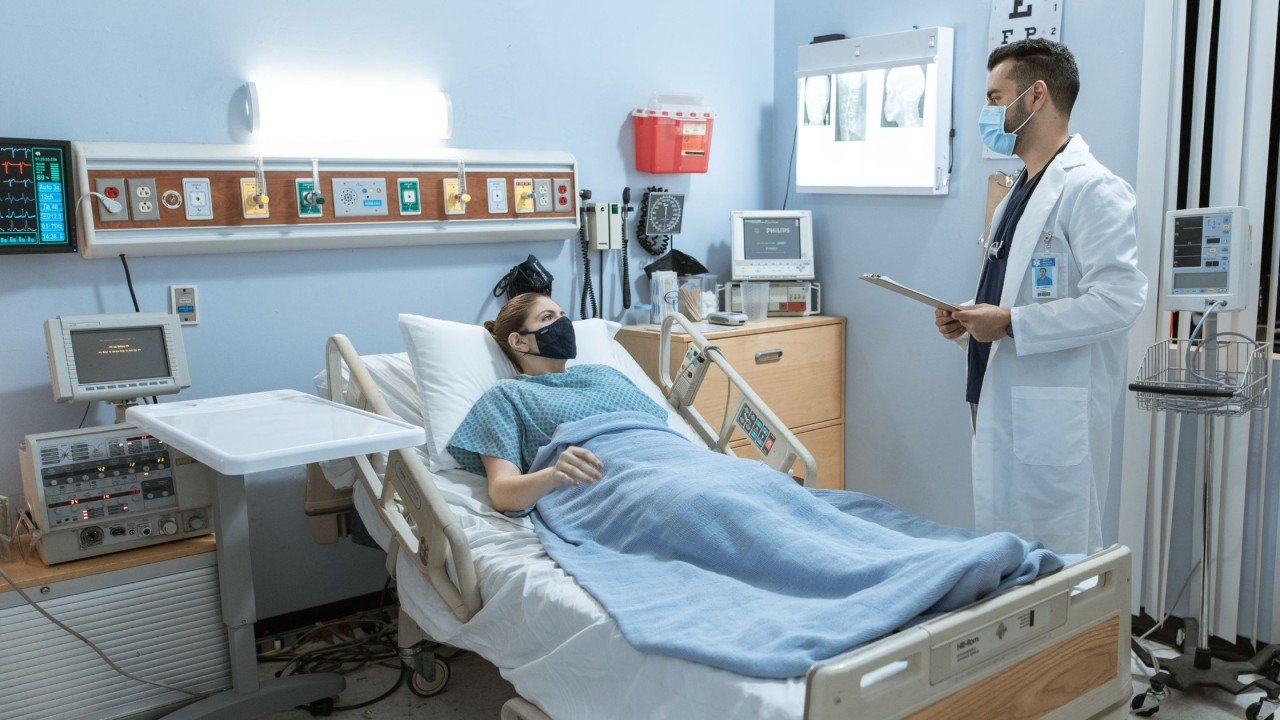
Introduction
When a medical emergency strikes, patients and their families are suddenly faced with uncertainty, fear, and critical decisions. Whether it is a severe infection, heart attack, stroke, respiratory distress, or a serious accident, the quality and speed of medical care received during the first few hours can significantly impact recovery outcomes.
However, successful treatment is not limited to emergency intervention alone. A patient’s healthcare journey involves multiple stages—from rapid assessment and diagnosis to intensive care, specialized treatment, continuous monitoring, and rehabilitation. Each step plays a vital role in helping patients regain their health and return to their normal lives.
At MICU Hospital Mahabubnagar, healthcare is built around a comprehensive continuum of care. The hospital’s multidisciplinary team works together to ensure that patients receive timely medical attention, advanced critical care support, and personalized recovery plans tailored to their specific needs. This coordinated approach helps improve patient outcomes while providing reassurance and support to families throughout the treatment process.
Step 1: Emergency Admission – The First Critical Moments
The first few minutes after a medical emergency are often the most important. Quick assessment and immediate action can significantly improve treatment outcomes.
When a patient arrives at MICU Hospital, the emergency team begins a rapid evaluation process to determine the severity of the condition.
Immediate Triage and Assessment
Emergency healthcare professionals assess:
- Vital signs
- Symptoms
- Medical history
- Level of consciousness
- Breathing and circulation
This process, known as triage, helps prioritize patients who require urgent medical attention.
Step 2: Rapid Diagnosis and Evaluation
Once the patient has been stabilized, doctors focus on identifying the underlying medical condition.
Accurate diagnosis is essential because different emergencies require different treatment approaches.
Advanced Diagnostic Support
MICU Hospital utilizes modern diagnostic tools to evaluate patients quickly.
These may include:
- Blood tests
- Electrocardiograms (ECG)
- Imaging studies
- Ultrasound examinations
- Laboratory investigations
These tools help doctors identify the cause of the emergency and develop an appropriate treatment plan.
Conditions Commonly Diagnosed in Emergency Care
Examples include:
- Heart attacks
- Stroke
- Respiratory failure
- Kidney complications
- Severe infections
- Gastrointestinal emergencies
- Trauma-related injuries
Early diagnosis allows treatment to begin without unnecessary delays.
Step 3: Immediate Stabilization and Emergency Treatment
After diagnosis, the next goal is to stabilize the patient’s condition.
Emergency doctors focus on protecting vital organ function and preventing complications.
Managing Life-Threatening Conditions
Depending on the patient’s condition, treatment may involve:
- Oxygen therapy
- Intravenous medications
- Fluid management
- Blood pressure stabilization
- Cardiac support
Every treatment plan is tailored to the patient’s specific needs.
Continuous Monitoring During Critical Hours
Patients are continuously monitored for:
- Heart rate
- Oxygen saturation
- Blood pressure
- Respiratory status
This monitoring allows doctors to respond immediately if the patient’s condition changes.
Step 4: Transfer to ICU for Advanced Critical Care
Not all emergency patients require intensive care. However, some conditions demand specialized monitoring and advanced life-support systems.
Patients may be transferred to the Intensive Care Unit (ICU) if they have:
- Severe infections
- Organ failure
- Respiratory failure
- Major trauma
- Post-surgical complications
- Critical cardiac conditions
Advanced ICU Facilities at MICU Hospital
The ICU at MICU Hospital is designed to provide comprehensive care for critically ill patients.
Key features include:
- Advanced patient monitoring systems
- Ventilator support
- Life-support equipment
- Specialized ICU beds
- Dedicated critical care teams
These facilities help ensure that patients receive the highest level of care during the most critical stages of treatment.
Step 5: Specialized Critical Care Services
One of the strengths of MICU Hospital is its multidisciplinary critical care approach.
Patients benefit from access to multiple specialized services under one roof.
Cardio Critical Care
Cardiac specialists provide treatment for:
- Heart attacks
- Heart failure
- Cardiac emergencies
Neuro Critical Care
Neurological emergencies such as stroke and brain injuries require specialized monitoring and treatment.
Pulmonary Critical Care
Patients with respiratory failure and severe lung conditions receive advanced pulmonary support.
Dialysis Critical Care
Kidney-related emergencies often require dialysis support and continuous monitoring.
Gastro Critical Care
Patients experiencing severe gastrointestinal conditions receive specialized treatment and critical care management.
Mother & Child Critical Care
High-risk pregnancies and neonatal emergencies require dedicated support for both mother and child.
Step 6: Multidisciplinary Treatment and Continuous Monitoring
Recovery from a critical illness often requires collaboration between multiple healthcare professionals.
At MICU Hospital, specialists work together to provide comprehensive care.
Collaborative Healthcare Approach
The treatment team may include:
- Critical care physicians
- Cardiologists
- Neurologists
- Pulmonologists
- Nephrologists
- Gastroenterologists
- Nursing professionals
Each specialist contributes expertise to improve patient outcomes.
Monitoring Recovery Progress
Patient progress is continuously evaluated through:
- Vital sign monitoring
- Laboratory testing
- Imaging studies
- Clinical assessments
Doctors adjust treatment plans as necessary to support recovery.
Step 7: Preparing for Recovery and Rehabilitation
As the patient’s condition improves, the focus gradually shifts from intensive treatment to recovery and rehabilitation.
Transitioning Out of Intensive Care
Patients who no longer require ICU monitoring may be transferred to a general ward for continued care.
This transition is carefully managed to ensure stability and safety.
Continued Medical Support
Recovery often includes:
- Medication management
- Nutritional guidance
- Physical rehabilitation
- Follow-up consultations
These services help patients regain strength and improve overall health.
Patient and Family Education
Education plays an important role in recovery.
Patients and families receive guidance on:
- Medication use
- Lifestyle modifications
- Follow-up appointments
- Warning signs that require medical attention
This information helps reduce the risk of future complications.
How MICU Supports Families Throughout the Treatment Journey
Medical emergencies affect not only patients but also their families.
MICU Hospital recognizes the importance of communication and emotional support during difficult times.
Clear Communication
Healthcare professionals keep families informed about:
- Patient condition
- Treatment progress
- Medical decisions
- Recovery expectations
Compassionate Care
The hospital focuses on delivering compassionate healthcare while maintaining high clinical standards.
Family Involvement
Families are encouraged to participate in care planning whenever appropriate.
This collaborative approach promotes trust and confidence.
Why Early Treatment Improves Recovery Outcomes
Early intervention remains one of the most important factors in successful treatment.
Faster Diagnosis
Quick diagnosis allows doctors to begin treatment before complications develop.
Reduced Risk of Organ Damage
Prompt medical intervention helps preserve vital organ function.
Better Survival Rates
Early treatment significantly improves the chances of recovery from critical illnesses.
Improved Long-Term Health
Patients who receive timely care often experience better long-term outcomes and quality of life.
Why Patients Trust MICU Hospital in Mahabubnagar
Patients choose MICU Hospital because of its commitment to delivering high-quality healthcare.
24/7 Emergency Services
Emergency care is available around the clock.
Advanced ICU Infrastructure
Modern technology supports effective critical care treatment.
Experienced Medical Specialists
Patients benefit from the expertise of trained healthcare professionals.
Comprehensive Critical Care Services
Multiple specialties work together to provide coordinated treatment.
Patient-Centered Healthcare
The hospital focuses on patient safety, comfort, and recovery throughout the healthcare journey.
Common Medical Conditions Successfully Managed at MICU
MICU Hospital provides treatment for a wide range of medical emergencies, including:
- Heart attacks
- Stroke
- Respiratory emergencies
- Severe infections
- Kidney failure
- Trauma injuries
- Gastrointestinal emergencies
- High-risk maternal conditions
The hospital’s multidisciplinary approach ensures comprehensive care for patients with complex medical needs.
Conclusion
The journey from emergency admission to recovery involves many critical stages. From rapid diagnosis and emergency treatment to advanced ICU care and rehabilitation, every step plays an important role in improving patient outcomes.
At MICU Hospital Mahabubnagar, patients receive comprehensive care throughout their healthcare journey. Through advanced emergency services, specialized critical care departments, experienced medical professionals, and a commitment to patient-centered treatment, MICU Hospital continues to support patients and families during some of life’s most challenging moments.
Whether facing a medical emergency, critical illness, or complex health condition, MICU Hospital remains dedicated to helping patients move from crisis to recovery with confidence and care.
FAQs
1. What happens when a patient arrives at MICU Hospital during an emergency?
The emergency team immediately assesses the patient’s condition, monitors vital signs, performs diagnostic evaluations, and begins treatment as quickly as possible.
2. How does MICU Hospital determine if ICU admission is needed?
Patients with severe or life-threatening conditions requiring continuous monitoring, advanced treatment, or life-support systems may be admitted to the ICU.
3. What critical care services are available at MICU Hospital?
MICU Hospital offers Cardio Critical Care, Neuro Critical Care, Pulmonary Critical Care, Dialysis Critical Care, Gastro Critical Care, and Mother & Child Critical Care services.
4. How does MICU support patient recovery after intensive care?
The hospital provides ongoing medical treatment, rehabilitation support, patient education, and follow-up care to promote recovery.
5. Why is early emergency treatment important for recovery?
Early treatment helps prevent complications, reduces organ damage, improves survival rates, and supports faster recovery.