 24/7 Emergency Available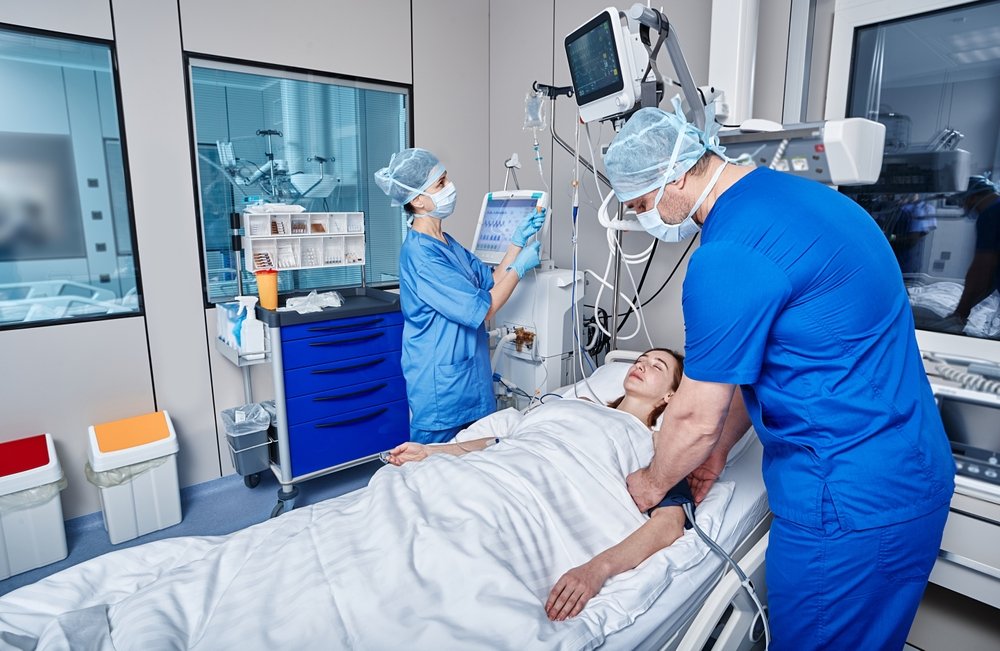
Introduction
When it comes to the health and well-being of your family, choosing the right hospital is one of the most important decisions you can make. Whether you need immediate emergency care, treatment for a chronic medical condition, specialized critical care, or routine healthcare services, the hospital you choose can have a significant impact on the quality of treatment, recovery, and overall patient experience.
Today, families are looking for more than just a hospital that provides medical treatment. They seek healthcare providers that offer experienced doctors, advanced medical technology, compassionate care, modern infrastructure, and a wide range of specialties under one roof. A hospital that combines these qualities helps patients receive timely diagnosis, coordinated treatment, and continuous support throughout their healthcare journey.
In Mahabubnagar, many families prioritize hospitals that are prepared to handle both routine and complex medical situations. From emergency services available around the clock to advanced Intensive Care Units (ICUs) and specialized critical care departments, comprehensive healthcare has become an essential expectation rather than an added advantage.
Why Choosing the Right Hospital Matters
Healthcare needs can arise unexpectedly. A child may develop a high fever in the middle of the night, an elderly family member may experience chest pain, or someone may require urgent medical attention after an accident. In these situations, having access to a hospital that can respond quickly and provide comprehensive care makes a significant difference.
Choosing the right hospital is not just about convenience or location. It is about ensuring that the healthcare facility has the expertise, infrastructure, and resources needed to provide timely and effective treatment.
A hospital equipped with emergency services, advanced diagnostics, intensive care facilities, and multiple medical specialties can support patients more efficiently than one that offers only limited services. Families often prefer hospitals where doctors from different specialties work together, allowing patients to receive coordinated care without the need to visit multiple healthcare centers.
For patients with chronic illnesses, critical conditions, or complex medical needs, this coordinated approach can improve continuity of care and reduce unnecessary delays in diagnosis and treatment.
Comprehensive Healthcare Under One Roof
One of the key reasons families choose a multispeciality hospital is the convenience of accessing a wide range of medical services in one location. Instead of visiting separate clinics or hospitals for different health concerns, patients can receive coordinated care from multiple specialists within the same healthcare facility.
At MICU Hospital Mahabubnagar, comprehensive healthcare includes specialized services designed to address a variety of medical conditions, including:
Cardio Critical Care
Patients experiencing heart-related emergencies require immediate evaluation, monitoring, and specialized treatment. Timely intervention plays an important role in managing cardiac conditions and supporting recovery.
Neuro Critical Care
Neurological emergencies such as stroke, seizures, and traumatic brain injuries require specialized monitoring and expert medical management. Access to neuro critical care services helps ensure that patients receive prompt attention during these complex situations.
Pulmonary Critical Care
Respiratory illnesses, severe infections, and breathing difficulties often require advanced respiratory support and continuous monitoring. Pulmonary critical care focuses on managing patients with serious lung and breathing conditions.
Nephro and Dialysis Critical Care
Patients with acute kidney injury or chronic kidney disease may require specialized nephrology services and dialysis support. Comprehensive dialysis critical care helps manage kidney-related complications while supporting overall patient health.
Gastro Critical Care
Digestive system emergencies, including gastrointestinal bleeding, severe pancreatitis, and liver-related complications, require timely diagnosis and specialized medical care. Access to gastro critical care services enables prompt management of these conditions.
Mother & Child Critical Care
High-risk pregnancies, maternal emergencies, premature births, and neonatal conditions require dedicated medical attention. Specialized mother and child critical care services support both mothers and newborns during critical stages of treatment.
Having these specialties available under one roof allows doctors from different departments to collaborate, helping patients receive well-coordinated and personalized healthcare.
24/7 Emergency Care When Every Minute Matters
Medical emergencies rarely happen at a convenient time. Whether it is a heart attack in the early morning, a severe accident late at night, or sudden breathing difficulties during the weekend, immediate medical attention can make a significant difference.
Families often choose hospitals that provide 24/7 emergency care, ensuring that trained healthcare professionals are available whenever urgent treatment is needed.
A well-prepared emergency department is equipped to:
- Assess patients quickly upon arrival
- Stabilize critical conditions
- Perform emergency diagnostic tests
- Initiate life-saving treatment without delay
- Coordinate with ICU teams and specialists when necessary
This rapid response helps ensure that patients receive timely care during some of the most critical moments of their lives.
For many families, knowing that emergency medical support is available around the clock provides confidence and peace of mind.
Advanced ICU Facilities for Critical Patients
Some medical conditions require more than standard hospital care. Patients with severe infections, organ failure, major trauma, post-surgical complications, or life-threatening illnesses often need intensive monitoring and specialized treatment.
An Intensive Care Unit (ICU) is designed specifically for these situations.
Modern ICU facilities typically include:
- Continuous cardiac monitoring
- Advanced ventilator support
- Oxygen therapy
- Close observation by trained critical care professionals
- Rapid response to changes in patient condition
The presence of experienced intensivists, specialized nurses, and multidisciplinary teams enables hospitals to provide comprehensive support for critically ill patients.
MICU Hospital’s focus on critical care helps ensure that patients requiring intensive medical attention receive continuous monitoring and coordinated treatment throughout their hospital stay.
One of the biggest reasons families trust a hospital is the confidence they have in its medical team. While advanced technology and modern infrastructure are important, the expertise of doctors, nurses, and healthcare professionals often makes the greatest difference in a patient’s treatment journey.
Healthcare today is increasingly collaborative. Patients with complex conditions may require care from specialists across different medical disciplines. A patient admitted with kidney complications may also require critical care support, while someone recovering from a heart attack may need respiratory monitoring and rehabilitation. Coordinated treatment helps ensure every aspect of the patient’s health is addressed.
At MICU Hospital Mahabubnagar, healthcare professionals work together to develop personalized treatment plans based on each patient’s medical condition, age, health history, and recovery goals. This multidisciplinary approach promotes better communication among specialists and helps provide continuity of care from admission through discharge.
Beyond medical expertise, compassionate communication also plays an important role. Families appreciate hospitals where doctors explain diagnoses, discuss treatment options clearly, and involve them in important healthcare decisions. Open communication builds trust and helps patients feel more confident throughout their recovery.
Modern Diagnostic Technology for Accurate and Timely Treatment
Effective treatment begins with an accurate diagnosis. Modern hospitals rely on advanced diagnostic facilities to identify medical conditions quickly and guide clinical decisions.
When evaluating a hospital, families often look for access to diagnostic services such as laboratory investigations, ECG, imaging support, and continuous patient monitoring. Having these services available within the hospital reduces delays, improves coordination between departments, and allows treatment to begin sooner.
Accurate diagnostics are especially important during emergencies and critical illnesses. Patients experiencing chest pain, stroke symptoms, severe infections, or respiratory distress often require immediate investigations before treatment plans can be finalized.
At MICU Hospital, diagnostic services support doctors in making informed medical decisions while helping patients receive timely care. Modern monitoring systems also enable healthcare teams to observe changes in a patient’s condition continuously, allowing for prompt intervention whenever required.
A Patient-Centered Approach to Healthcare
Quality healthcare is not measured only by successful treatments—it is also reflected in how patients and their families experience the entire care journey.
Families often choose hospitals where they feel respected, informed, and supported. A patient-centered approach focuses on understanding individual needs and providing personalized care throughout treatment and recovery.
Important aspects of patient-centered healthcare include:
Individualized Treatment Plans
No two patients are exactly alike. Personalized treatment plans consider medical history, current condition, lifestyle, and recovery needs to provide care tailored to the individual.
Compassionate Communication
Clear communication helps patients understand their diagnosis, treatment options, expected outcomes, and follow-up care. Keeping families informed throughout hospitalization helps reduce anxiety and improves confidence in the care process.
Emotional Support
Medical emergencies can be overwhelming for both patients and their loved ones. Compassionate healthcare teams recognize these challenges and provide reassurance while guiding families through every stage of treatment.
Continuity of Care
From emergency admission to recovery and follow-up consultations, continuity of care ensures patients receive consistent support without unnecessary interruptions.
This patient-first philosophy contributes to a more positive healthcare experience while encouraging long-term trust between families and their healthcare providers.
Commitment to Patient Safety and Quality Standards
Patient safety remains one of the most important considerations when choosing a hospital. Families want assurance that every possible step is taken to provide safe, reliable, and high-quality care.
Hospitals committed to patient safety typically focus on:
- Maintaining strict hygiene and infection prevention practices
- Following established clinical treatment protocols
- Monitoring patients continuously when required
- Administering medications carefully and accurately
- Encouraging teamwork among healthcare professionals
- Regularly training staff to maintain clinical excellence
These practices help create a safe environment where patients receive appropriate care while reducing the risk of avoidable complications.
Supporting Families Beyond Medical Treatment
Comprehensive healthcare extends beyond diagnosing illnesses and prescribing medications. Families often remember how a hospital supported them during difficult moments.
Good hospitals recognize that healthcare involves education, emotional support, and guidance after treatment as well.
Patients recovering from critical illnesses may require follow-up consultations, lifestyle recommendations, rehabilitation, and continued monitoring. Hospitals that provide ongoing support help patients transition from hospital care back to their daily lives with greater confidence.
By focusing on long-term health rather than short-term treatment alone, hospitals strengthen relationships with patients and their families while promoting better health outcomes.
Why More Families Choose MICU Hospital in Mahabubnagar
When searching for the best hospital in Mahabubnagar, families often evaluate healthcare providers based on trust, preparedness, medical expertise, and the ability to provide comprehensive services under one roof.
MICU Hospital is designed to support patients through every stage of their healthcare journey by offering:
- 24/7 Emergency Care
- Advanced Intensive Care Unit (ICU)
- Cardio Critical Care
- Neuro Critical Care
- Pulmonary Critical Care
- Nephro and Dialysis Critical Care
- Gastro Critical Care
- Mother & Child Critical Care
- Experienced healthcare professionals
- Modern diagnostic support
- Patient-centered treatment approach
Rather than focusing on a single specialty, MICU brings together emergency medicine, critical care, diagnostics, and multispeciality services to help patients receive coordinated healthcare based on their individual needs.
This integrated approach enables families to access multiple medical services without the inconvenience of visiting different hospitals for different conditions.
Conclusion
Choosing a hospital is one of the most important healthcare decisions a family can make. While location and convenience matter, the quality of care, availability of specialists, emergency preparedness, advanced ICU facilities, and patient-centered approach should all be considered before making a decision.
Hospitals that provide comprehensive healthcare under one roof can offer patients timely diagnosis, coordinated treatment, and continuous support throughout recovery. These qualities become especially valuable during emergencies and complex medical conditions, where every decision can influence patient outcomes.
MICU Hospital Mahabubnagar is committed to delivering emergency care, advanced critical care, and multispeciality healthcare with a focus on patient safety, clinical excellence, and compassionate treatment. By combining experienced medical professionals, modern infrastructure, and specialized services, MICU strives to support individuals and families through every stage of their healthcare journey.
Whether you need immediate emergency attention, specialized critical care, or comprehensive healthcare services, choosing a hospital that prioritizes quality, expertise, and patient well-being can make all the difference.
FAQs
1. Why do many families choose MICU Hospital in Mahabubnagar?
Families choose MICU Hospital because it offers emergency care, advanced ICU facilities, multispeciality services, experienced healthcare professionals, and a patient-centered approach to treatment.
2. What services are available at MICU Hospital?
MICU Hospital provides Emergency Care, Cardio Critical Care, Neuro Critical Care, Pulmonary Critical Care, Nephro Critical Care, Dialysis Critical Care, Gastro Critical Care, and Mother & Child Critical Care.
3. Does MICU Hospital provide 24/7 emergency services?
Yes. MICU Hospital offers 24/7 emergency care to provide timely medical attention for patients requiring urgent treatment.
4. Why is a multispeciality hospital beneficial?
A multispeciality hospital allows different specialists to collaborate, making it easier to provide coordinated care for patients with complex medical conditions.
5. What should families consider when choosing a hospital in Mahabubnagar?
Families should consider emergency services, ICU facilities, specialist availability, diagnostic support, patient safety, medical technology, and the hospital’s ability to provide comprehensive healthcare.